[Robotics 13. Soft Robotics의 핵심: 사람 손처럼 부드러운 그리퍼 기술 (The Core of Soft Robotics: Gripper Technology as Gentle as a Human Hand)
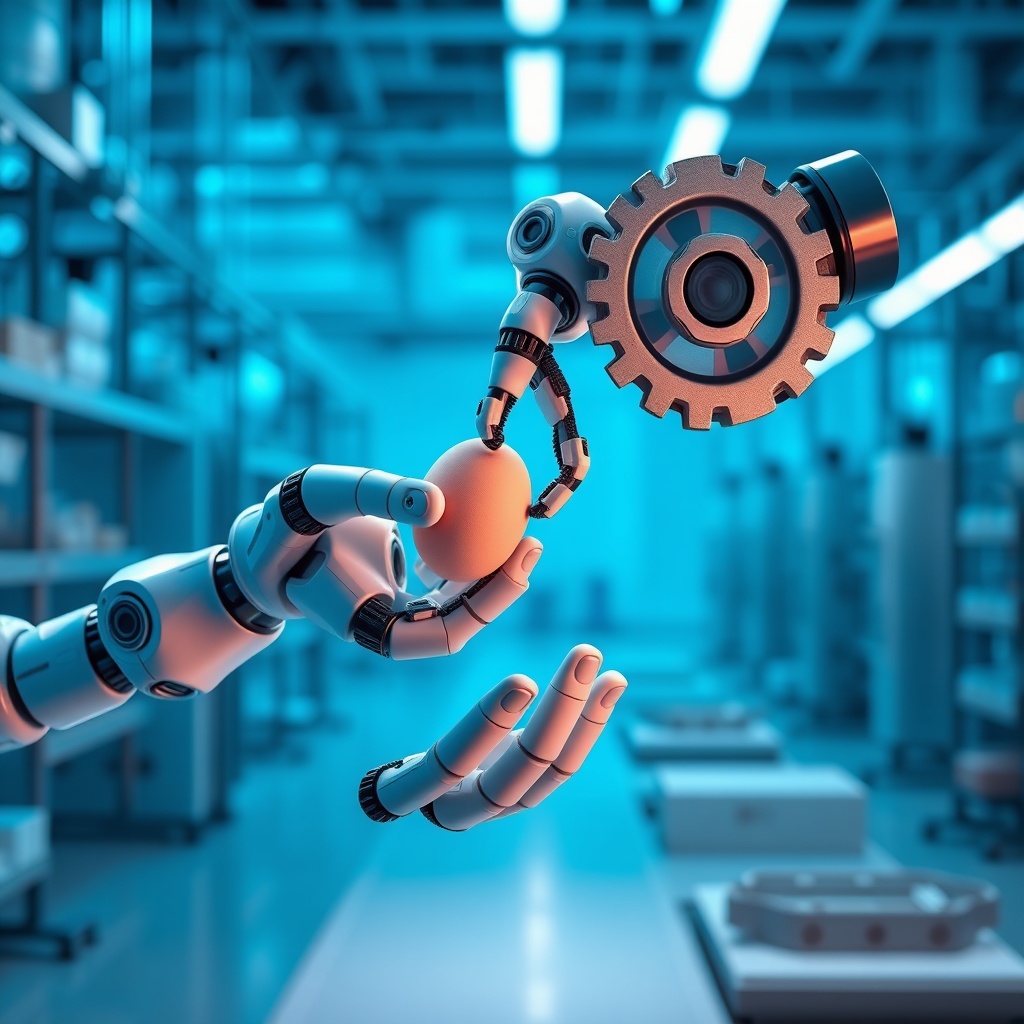
기존의 딱딱한 로봇팔로는 처리할 수 없었던 복잡하고 섬세한 작업을 어떻게 자동화할 수 있을까요? 유연성과 정밀성을 동시에 갖춘 로봇의 '손(Gripper)'이 제조업의 생산성을 어떻게 재정의하는지, 비즈니스 관점에서 그 가치를 분석합니다.
Soft Robotics의 핵심: 사람 손처럼 부드러운 그리퍼 기술
깨지기 쉬운 계란부터 무거운 부품까지, 유연성과 정밀성을 겸비한 로봇의 손길을 리포트합니다.
안녕하세요. 23년 차 IT 기획 팀장이자 전문 테크 리포터, 김 팀장입니다. 🎤 최근 현장에서는 인력난과 고도의 맞춤형 생산 요구가 동시에 증가하면서, 로봇 도입은 선택이 아닌 필수가 되었습니다. 하지만 현장에 가보면 여전히 숙련공의 손길이 필요한 '마지막 1인치'가 존재하죠. 바로 파지(Grasping)의 정교함 문제 때문입니다.
단단한 금속 팔로 깨지기 쉬운 제품을 집거나, 매번 모양이 바뀌는 다양한 부품을 유연하게 다루는 일은 불가능했습니다. 오늘 리포트에서는 이 '로봇의 손'이 어떻게 인간의 손처럼 진화했는지, 즉 소프트 로보틱스(Soft Robotics) 기술의 핵심인 그리퍼(Gripper)의 혁신을 비즈니스 관점에서 깊이 있게 들여다보겠습니다. 🚀
1. 그리퍼 기술, 왜 진화해야 했는가? (Traditional vs. Soft) 🤖
과거 산업용 로봇의 그리퍼는 주로 이진법적인 기능(열림/닫힘)에 초점을 맞춘 단단한 금속 집게였습니다. 이는 정형화된 공산품을 고정된 위치에서 빠르게 처리하는 데는 적합했지만, 대상 물체의 모양이나 크기, 무게가 조금이라도 바뀌면 재설정과 재툴링(Retooling)이 필요했습니다. 이 비효율성이 바로 현장 운용의 민주화를 가로막는 가장 큰 장벽이었죠.
이러한 한계를 극복하기 위해 등장한 것이 바로 유연한 소재와 공압(Pneumatic) 또는 탄성 재료를 활용하는 소프트 그리퍼입니다. 이 기술의 핵심은 두 가지입니다:
- 적응성 (Adaptivity): 물체의 복잡한 형태에 따라 그리퍼가 스스로 모양을 맞추는 능력.
- 컴플라이언스 (Compliance): 외부 충격이나 힘에 유연하게 반응하여 물체를 손상시키지 않는 능력 (부드러움).
2. 현장 적용 사례: 깨지기 쉬운 계란부터 복잡한 부품까지 🏭
소프트 그리퍼 기술은 특히 식품, 농업, 전자 부품 제조 등 높은 정밀도와 유연성이 요구되는 산업에서 빠르게 확산되고 있습니다. 제가 직접 확인한 대표적인 사례 두 가지를 공유합니다.
① 식품/농업 분야: 섬세함의 극치
파프리카, 토마토, 그리고 가장 다루기 어려운 계란 같은 농산물은 기존 로봇에게는 금기였습니다. 압력 조절이 미세하게 이루어지는 공압식 소프트 그리퍼는 물체를 감싸듯이 파지하여, 껍질이 얇거나 불규칙한 형태의 제품을 손상 없이 선별하고 포장하는 데 성공했습니다. 이는 인건비 절감뿐 아니라 제품 파손율을 획기적으로 낮춰 생산 효율을 높였습니다.
② 자동차/전자 분야: 다품종 소량 생산 대응
자동차 조립 라인에서 다양한 크기와 모양의 케이블이나 씰링(Sealing) 부품을 다루는 작업은 여전히 수작업 비중이 높았습니다. 유연한 그리퍼는 하나의 로봇 팔이 10가지 이상의 부품을 교체 없이 처리할 수 있게 함으로써, 다품종 소량 생산(HMLV) 환경에서의 로봇 활용도를 극대화했습니다.
| 그리퍼 유형 | 특징 및 강점 | 주요 적용 분야 |
|---|---|---|
| 전통적 그리퍼 (Rigid) | 강성, 높은 속도 및 반복 정밀도 | 정형화된 금속 가공, 고중량 이동 |
| 소프트 그리퍼 (Soft) | 유연성, 적응성, 민감한 파지 가능 | 식품, 전자부품, 섬유, 협동로봇 |
3. 최신 트렌드: AI와 결합한 '촉감'의 구현, 촉각 센싱 🧠
단순히 부드러운 소재를 사용하는 것을 넘어, 로봇은 이제 '느끼기' 시작했습니다. 바로 촉각 센싱 (Tactile Sensing) 기술 덕분입니다. 시각 정보(카메라)만으로는 물체의 경도, 표면 질감, 미끄러짐 정도를 파악하기 어렵습니다.
대표적인 예로 구글이 투자하고 있는 'GelSight'와 같은 기술은 로봇 손가락 끝에 부착되어 물체의 미세한 변형을 고해상도 이미지로 포착합니다. 이 이미지는 AI 모델에 입력되어, 로봇이 스스로 '이 물건을 이 정도 압력으로 잡아야 안전하다'는 최적의 파지 전략을 학습하게 만듭니다. 결국, 로봇은 파지하는 순간의 미묘한 피드백을 통해 인간 숙련공처럼 실시간으로 힘을 조절할 수 있게 된 것입니다.
4. 비즈니스적 의미: 로봇 도입의 '민주화' 가속 📈
그리퍼 기술의 진화는 단순히 로봇의 성능 향상을 넘어, 산업 전반의 혁신을 의미합니다. 가장 큰 시사점은 다음과 같습니다:
- 재툴링 비용 및 시간 절감: 유연한 그리퍼는 새로운 제품이 들어와도 기존 툴을 교체할 필요가 없으므로, 생산 라인 전환 시간을 수 시간에서 수 분으로 단축시킵니다.
- 협동 로봇(Cobot)의 활용도 극대화: 소프트하고 적응성 있는 그리퍼는 인간과의 충돌 시에도 피해를 최소화하여, 협동 로봇이 더욱 안전하고 광범위한 경량 조립 작업에 투입될 수 있는 환경을 조성합니다.
- 중소기업의 로봇 도입 장벽 해소: 비정형 작업을 자동화하기 어려워 로봇 도입을 망설였던 중소 제조사들도 이제 저렴하고 유연한 소프트 그리퍼를 통해 자동화의 효과를 누릴 수 있게 되었습니다.
현재 소프트 그리퍼는 뛰어난 유연성을 제공하지만, 강성 그리퍼 대비 속도나 파지 하중(Payload)에서 제한적일 수 있습니다. 도입 전, 반드시 현장의 환경(예: 고온, 유분 노출)과 요구되는 속도를 정확히 파악하여 최적의 소재를 선택해야 합니다.
5. 업무 활용 팁: 우리 현장에 맞는 그리퍼 선택 전략 💡
IT 기획 팀장으로서 로봇 도입을 검토할 때, 그리퍼는 로봇 팔 본체만큼이나 중요한 의사결정 요소입니다. 다음 질문을 통해 현장에 가장 적합한 그리퍼를 선정하십시오.
- 대응할 물품 다양성 (Flexibility Required): 파지할 물품의 종류가 5가지 이상이고, 모양이나 크기가 비정형적인가? (YES라면 소프트 그리퍼 필수)
- 요구되는 민감도 (Sensitivity): 파지 중 물체 파손 위험이 높은가? 또는 파지하는 힘을 실시간으로 조절해야 하는가? (YES라면 촉각 센싱 결합 모델 검토)
- 환경 조건과 속도 (Environment & Speed): 고속 운전이 절대적으로 필요한가? 환경이 깨끗하고 물체가 정형화되어 있다면 (NO)라면 전통적/강성 그리퍼도 고려 대상입니다.
이제 로보틱스는 '고정된 자동화'를 넘어 '유연한 협업'의 시대로 접어들었습니다. 그리퍼의 진화는 이 유연성의 핵심 열쇠입니다. 오늘 배운 관점으로 여러분의 현장에서 자동화의 새로운 기회를 발견하시길 바랍니다. 다음 리포트도 기대해 주세요! 😊
The Core of Soft Robotics: Gripper Technology as Gentle as a Human Hand
Reporting the current status of soft robotics that handles everything from fragile eggs to heavy components with precision and flexibility.
Hello, this is Kim, a 23-year veteran IT Planning Team Lead and professional Tech Reporter. 🎤 Recently, as both labor shortages and the demand for highly customized production increase, robotics adoption has become essential. However, in the field, there remains a ‘last inch’ that still requires the touch of a skilled human worker. This is due to the challenge of grasping precision.
It was impossible for rigid metal arms to pick up fragile goods or flexibly handle diverse parts whose shapes constantly change. In today’s report, we will take a deep dive into how the robot's 'hand' has evolved to resemble the human hand—the innovation of the Gripper, which is the core of Soft Robotics technology, analyzed from a business perspective. 🚀
1. Why Did Gripper Technology Need to Evolve? (Traditional vs. Soft) 🤖
The grippers of past industrial robots were primarily rigid metal claws focused on binary functions (open/close). While suitable for rapidly processing standardized items in fixed positions, they required constant retooling and resetting whenever the object's shape, size, or weight changed even slightly. This inefficiency was the greatest barrier preventing the democratization of field operations.
To overcome these limitations, the Soft Gripper, which uses flexible materials and pneumatic or elastic components, emerged. The core of this technology rests on two key characteristics:
- Adaptivity: The gripper's ability to conform its shape to the complex geometry of the object.
- Compliance: The ability to respond flexibly to external impacts or forces, preventing damage to the grasped object (softness).
2. Field Applications: From Fragile Eggs to Complex Components 🏭
Soft gripper technology is rapidly expanding, particularly in industries requiring high precision and flexibility, such as food, agriculture, and electronic component manufacturing. Here are two key examples I have observed firsthand.
① Food/Agriculture Sector: The Height of Delicacy
Produce like bell peppers, tomatoes, and the notoriously challenging eggs were forbidden territory for traditional robots. Pneumatic soft grippers, which allow for fine pressure control, successfully sort and package fragile items with thin shells or irregular shapes by gently encompassing the object. This not only reduces labor costs but also dramatically lowers product damage rates, boosting production efficiency.
② Automotive/Electronics: Handling High-Mix Low-Volume
Tasks involving handling cables or sealing parts of various sizes and shapes on automotive assembly lines were highly dependent on manual labor. Flexible grippers allow a single robot arm to handle ten or more different parts without changing tools, maximizing robot utilization in a High-Mix Low-Volume (HMLV) production environment.
| Gripper Type | Characteristics and Strengths | Key Application Areas |
|---|---|---|
| Traditional Grippers (Rigid) | Rigidity, high speed, and repeatable precision | Standardized metal processing, heavy lifting |
| Soft Grippers (Soft) | Flexibility, adaptivity, sensitive grasping possible | Food, electronics components, textiles, cobots |
3. Latest Trend: Implementing 'Touch' Combined with AI (Tactile Sensing) 🧠
Beyond simply using soft materials, robots are now beginning to 'feel.' This is thanks to Tactile Sensing technology. Visual information (cameras) alone makes it difficult to ascertain an object's hardness, surface texture, or degree of slipperiness.
A prime example is technology like 'GelSight,' backed by Google, which is attached to the robot's fingertips and captures subtle deformations of the object in high-resolution images. This image is fed into an AI model, allowing the robot to learn the optimal grasping strategy, determining, for instance, 'I should grip this object with this much pressure to ensure safety.' Consequently, the robot can adjust its force in real-time based on subtle feedback during the grasp, much like a human expert.
4. Business Implication: Accelerating the 'Democratization' of Robot Adoption 📈
The evolution of gripper technology signifies more than just improved robot performance; it means innovation across the entire industry. The most significant implications are:
- Reduction in Retooling Costs and Time: Flexible grippers eliminate the need to replace existing tools when new products are introduced, shortening production line changeover time from hours to minutes.
- Maximizing Cobot Utilization: Soft and adaptive grippers minimize damage in case of collision with humans, creating an environment where collaborative robots (Cobots) can be deployed safely for a wider range of light assembly tasks.
- Lowering Robot Adoption Barriers for SMEs: Small and medium manufacturers who were hesitant to adopt robots due to the difficulty of automating unstructured tasks can now benefit from automation using affordable and flexible soft grippers.
While soft grippers offer excellent flexibility, they can be limited in terms of speed or payload capacity compared to rigid grippers. Before deployment, it is crucial to accurately assess the working environment (e.g., high temperatures, oil exposure) and the required speed to select the optimal material.
5. Practical Guide: Strategy for Selecting the Right Gripper for Your Site 💡
As an IT Planning Team Lead reviewing robot adoption, the gripper is just as critical a decision factor as the robot arm itself. Use the following questions to select the most suitable gripper for your site.
- Required Flexibility: Are there five or more types of objects to grasp, and are their shapes or sizes non-standardized? (If YES, soft gripper is essential.)
- Required Sensitivity: Is there a high risk of object damage during grasping? Or do you need to adjust the gripping force in real-time? (If YES, review models combined with tactile sensing.)
- Environmental Conditions and Speed: Is high-speed operation absolutely critical? If the environment is clean and objects are standardized (NO to both above), traditional/rigid grippers may still be considered.
Robotics has now entered an era of 'flexible collaboration' beyond 'fixed automation.' The evolution of the gripper is the core key to this flexibility. I hope today's insights help you discover new automation opportunities at your site. Look forward to the next report! 😊
댓글
댓글 쓰기