[Robotics 3. IT와 OT의 결합: 데이터로 숨 쉬는 로봇 공장의 완성 (The Convergence of IT and OT: Completing the Data-Driven Robot Factory)
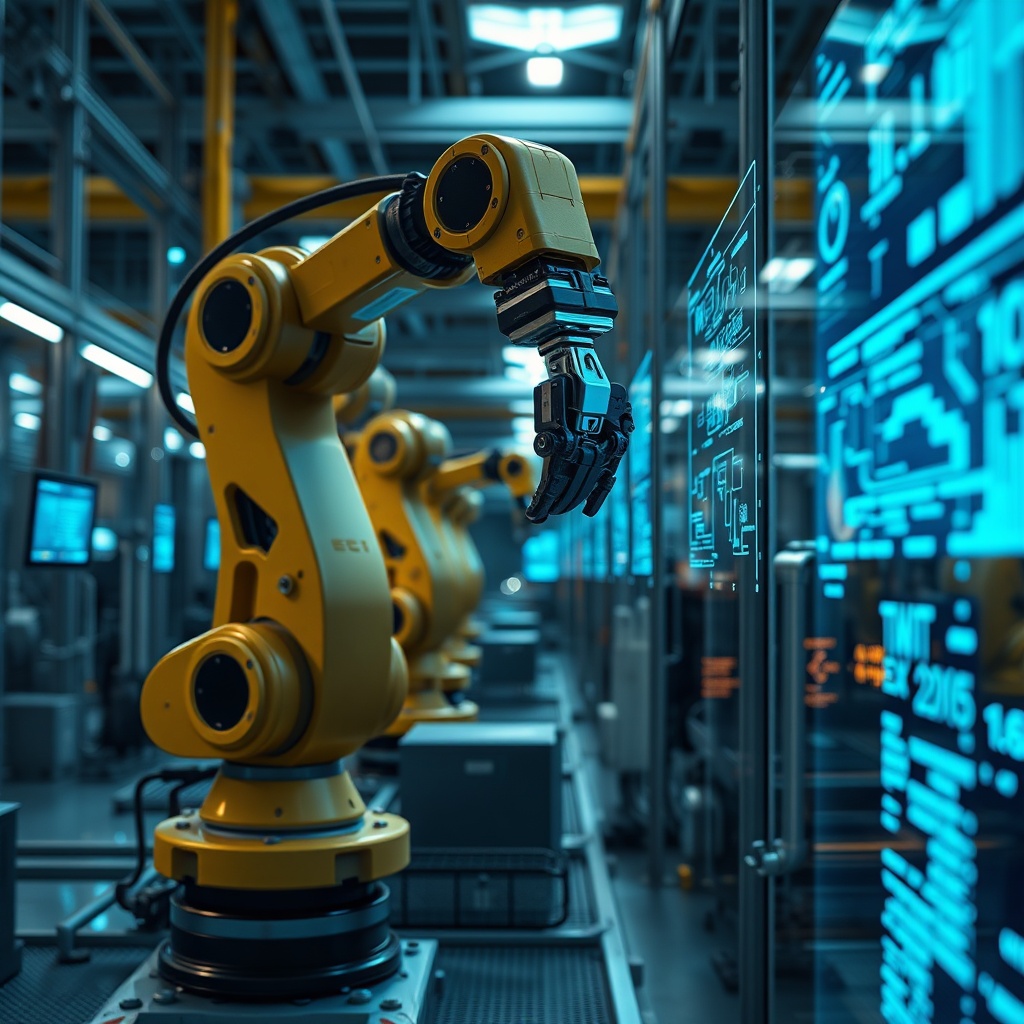
안녕하세요, 23년 차 IT 기획 팀장이자 전문 테크 리포터입니다. 🎤 최근 현장을 다녀보면, 로봇 자체의 성능 향상보다 더 큰 고민에 부딪히는 기업들이 많습니다. 바로 로봇(OT)이 쏟아내는 데이터와 기업 시스템(IT) 간의 단절, 즉 '데이터 사일로' 문제입니다.
로봇 공장이라고 모두 스마트 공장은 아닙니다. 로봇이 열심히 일해도, 그 작업 결과, 온도, 진동 패턴 등의 핵심 정보가 ERP나 MES로 실시간 연동되지 못하면 우리는 여전히 공장의 '맹점(Blind Spot)'에서 주먹구구식 의사결정을 내릴 수밖에 없죠. 오늘 리포트는 이 단절을 해소하고, 데이터로 숨 쉬는 로봇 공장을 완성하는 실무적인 관전 포인트를 제시합니다. 🚀
1. 개념 소개: IT와 OT, 충돌을 넘어 융합으로 🔗
IT(Information Technology)는 전사적 자원 관리(ERP), 생산 실행 시스템(MES) 등 비즈니스 및 관리 영역을 담당합니다. 반면 OT(Operational Technology)는 산업용 제어 시스템(ICS), 로봇 컨트롤러 등 물리적 장치와 현장을 직접 운영하는 영역이죠. 이 둘은 운영 목적, 보안 프로토콜, 데이터 처리 속도 면에서 근본적인 차이가 있어 전통적으로 분리되어 왔습니다.
하지만 스마트 팩토리는 이 경계를 허물 것을 요구합니다. IT와 OT가 융합(Convergence)될 때 비로소 로봇은 단순한 작업 기계를 넘어 '데이터 발생원(Data Source)'이자 '자율 의사결정 주체'로 격상됩니다. 핵심은 로봇이 발생시킨 물리적 데이터를 IT 시스템이 이해할 수 있는 디지털 언어로 실시간 전환하여 공급하는 데이터 파이프라인 구축입니다.
2. 현장 적용 사례: AI 비전 센서와 불량률 제로의 현실화 🔍
IT와 OT 융합의 가장 강력한 비즈니스 가치는 '품질 관리(Quality Control)' 분야에서 나타납니다. 특히 AI 비전 센서는 인간 검사자의 주관성을 완전히 배제하고, 나아가 사람이 감지하지 못하는 미세한 불량 패턴까지 찾아냅니다.
글로벌 자동차 기업 A사는 도장(Painting) 공정 후 품질 검사에 AI 비전 시스템을 도입했습니다. 이전에는 불량 발생 시 수작업으로 MES에 기록했으나, 이제는 AI 센서가 불량을 감지하는 즉시 관련 이미지, 발생 시간, 로봇의 작업 로그(진동, 속도)를 OT 데이터 인터페이스를 통해 ERP/MES로 전송합니다. 이를 통해 불량 발생 원인을 실시간으로 파악하고 해당 로트(Lot)를 즉시 격리, 재작업 지시까지 자동화하여 손실을 획기적으로 줄였습니다.
단순히 불량을 '찾아내는' 것을 넘어, 이 데이터들이 IT 시스템과 연결되어야만 '왜 불량이 발생했는지'에 대한 근본적인 원인 분석(Root Cause Analysis)이 가능해집니다. 이 과정이 바로 OT 데이터를 비즈니스 인사이트로 승화시키는 핵심입니다.
3. 최신 트렌드: 표준화된 연결, OPC UA와 Edge Computing 📡
로봇 제조사마다 제어 방식이 다르고 통신 프로토콜이 천차만별인 상황에서, 모든 데이터를 ERP/MES로 직접 연결하는 것은 비효율적입니다. 이 문제를 해결하기 위해 최근 로보틱스 시장에서 가장 주목받는 두 가지 트렌드가 있습니다.
| 기술 요소 | 핵심 역할 |
|---|---|
| OPC UA (Open Platform Communications Unified Architecture) | 산업용 기기간의 표준화된 데이터 교환 프로토콜. 다양한 로봇 컨트롤러의 언어를 IT 시스템이 이해할 수 있는 공통 언어로 통일합니다. 데이터 보안과 의미적 상호운용성(Semantic Interoperability)을 제공합니다. |
| Edge Computing (엣지 컴퓨팅) | 로봇 근처에서 데이터를 즉시 처리하고 분석하는 방식. AI 비전 센서 데이터를 클라우드까지 보내지 않고 현장에서 불량 여부를 판단함으로써 지연 시간(Latency)을 최소화하고 실시간 대응 능력을 극대화합니다. |
23년 차 기획자의 시각에서 주목할 점은, 이제 로봇 자체에 엣지 컴퓨팅 모듈이 통합되어 나오는 추세라는 것입니다. 로봇 자체를 독립된 데이터 처리 허브로 보는 관점이 중요해졌습니다.
4. 의미와 시사점: 예지 보전(PdM)과 비즈니스 혁신 📈
IT와 OT의 융합은 단순히 효율을 높이는 것을 넘어, 공장 운영의 패러다임을 바꿉니다. 가장 큰 혁신은 예지 보전(Predictive Maintenance, PdM)의 실현입니다.
로봇의 미세한 진동, 모터 온도, 전력 소모량(OT 데이터)을 지속적으로 ERP/MES(IT 시스템)로 전송하고 분석하면, 로봇이 고장 나기 전에 이상 징후를 미리 파악하고 필요한 부품을 주문(ERP)하거나 정비 일정을 계획(MES)할 수 있습니다. 이는 불시 정지(Downtime)로 인한 천문학적인 손실을 방지합니다.
OT 환경은 전통적인 IT 환경보다 보안에 취약합니다. OT 네트워크가 IT 네트워크와 연결될 때, 랜섬웨어 등 사이버 공격의 위험이 증가합니다. IT/OT 융합 프로젝트 추진 시, 반드시 망 분리 정책과 OT 맞춤형 보안 솔루션(예: 화이트리스트 기반 접근 제어)을 최우선으로 고려해야 합니다.
5. 업무 활용 팁: IT 기획팀이 준비해야 할 세 가지 행동 강령 🛠️
데이터로 숨 쉬는 공장을 만들기 위해 IT 기획자는 다음의 세 가지 핵심 영역에 집중해야 합니다.
- 데이터 표준화 및 수집 전략 확립: 로봇의 센서 데이터, 제어 데이터, 상태 데이터 등 어떤 OT 데이터가 MES나 ERP의 어떤 필드와 매핑되어야 비즈니스 가치를 창출하는지 정의해야 합니다. (예: 로봇 작업 사이클 시간 → MES 생산 실적 데이터)
- 하이브리드 인력 양성: IT 전문 지식과 OT 현장 지식을 모두 갖춘 '하이브리드 엔지니어'를 육성하거나 외부 전문가를 영입해야 합니다. IT팀이 OT 프로토콜(Modbus, Profinet, OPC UA)을 이해하고, OT팀이 데이터베이스와 클라우드를 이해하도록 교육하는 것이 필수입니다.
- 파일럿 프로젝트 집중: 전체 공장 도입에 앞서, 불량률이 가장 높거나 장비 고장 위험이 큰 특정 라인에 AI 비전 센서와 OPC UA 게이트웨이를 도입하는 파일럿 프로젝트를 통해 즉각적인 ROI를 확인해야 합니다.
이제 로보틱스는 '선택적 자동화'가 아닌 '지능형 통합 시스템'으로 진화하고 있습니다. IT와 OT의 융합은 단순한 기술적 도전이 아니라, 미래 제조 경쟁력을 좌우할 디지털 전환(DX)의 핵심 동력입니다. 오늘 제시된 관점으로 여러분의 현장을 다시 한번 점검하고, 데이터 기반 의사결정 시스템을 구축하는 계기가 되기를 바랍니다. 다음 리포트도 기대해 주세요! 😊
English Version
Hello, I am a 23-year veteran IT Planning Team Leader and professional tech reporter. 🎤 When visiting production sites recently, many companies face a challenge even greater than optimizing robot performance: the disconnection, or 'data silo,' between the vast data generated by Operational Technology (OT) and enterprise systems (IT).
Not every robot factory is a Smart Factory. If robots work hard but crucial information—such as their operational results, temperature, and vibration patterns—isn't connected to ERP or MES in real-time, we are forced to make decisions based on guesswork within the factory's 'Blind Spots.' This report provides practical insights on resolving this disconnection and completing the data-breathing robot factory. 🚀
1. Concept Introduction: IT and OT – Moving Beyond Conflict to Convergence 🔗
IT (Information Technology) handles business and administrative areas like Enterprise Resource Planning (ERP) and Manufacturing Execution Systems (MES). Conversely, OT (Operational Technology) manages physical devices and the field directly, including Industrial Control Systems (ICS) and robot controllers. Due to fundamental differences in operational goals, security protocols, and data speed, these two domains have traditionally been separated.
However, the Smart Factory demands the blurring of this boundary. Only when IT and OT converge can the robot be elevated from a mere working machine to a 'Data Source' and an 'Autonomous Decision-Making Entity.' The key is establishing a data pipeline that converts the physical data generated by the robot into a digital language understandable by IT systems, in real-time.
2. Field Application Case: Realizing Zero Defects with AI Vision Sensors 🔍
The most powerful business value of IT/OT convergence is seen in Quality Control. Specifically, AI Vision Sensors completely eliminate the subjectivity of human inspectors and can detect even microscopic defect patterns that humans might miss.
Global automaker Company A adopted an AI vision system for quality inspection after the painting process. Previously, defects were manually recorded in MES. Now, as soon as the AI sensor detects a defect, the relevant image, time of occurrence, and the robot's operation log (vibration, speed) are immediately transmitted to the ERP/MES via the OT Data Interface. This enables real-time root cause identification, immediate isolation of the affected lot, and automated rework instructions, drastically reducing losses.
Beyond just 'finding' defects, linking this data with IT systems is crucial for fundamental Root Cause Analysis concerning 'why the defect occurred.' This process is the core of elevating OT data into business insight.
3. Latest Trend: Standardized Connection – OPC UA and Edge Computing 📡
Given that robot manufacturers use diverse control methods and communication protocols, connecting all data directly to ERP/MES is inefficient. To solve this, two major trends are gaining traction in the robotics market.
| Technology Element | Core Role |
|---|---|
| OPC UA (Open Platform Communications Unified Architecture) | A standardized data exchange protocol for industrial devices. It unifies the language of various robot controllers into a common language that IT systems can understand, ensuring data security and Semantic Interoperability. |
| Edge Computing | Processing and analyzing data immediately near the robot. By judging defects on-site (without sending AI vision data to the cloud), it minimizes Latency and maximizes real-time response capability. |
From a 23-year planner’s perspective, it is notable that Edge Computing modules are increasingly integrated directly into robots. Viewing the robot itself as an independent data processing hub has become crucial.
4. Implications and Significance: Predictive Maintenance (PdM) and Business Innovation 📈
The convergence of IT and OT changes the paradigm of factory operations, going beyond mere efficiency gains. The biggest innovation is the realization of Predictive Maintenance (PdM).
By continuously transmitting and analyzing the robot's minute vibrations, motor temperatures, and power consumption (OT data) to the ERP/MES (IT systems), impending failures can be identified before they occur. This allows for ordering necessary parts (ERP) or scheduling maintenance (MES) in advance, preventing astronomical losses due to unplanned downtime.
OT environments are traditionally more vulnerable than IT environments. When the OT network connects to the IT network, the risk of cyber attacks like ransomware increases. During IT/OT convergence projects, you must prioritize network segmentation policies and OT-specific security solutions (e.g., whitelist-based access control).
5. Practical Tips: Three Courses of Action for the IT Planning Team 🛠️
To build a data-breathing factory, IT planners must focus on the following three core areas:
- Establish Data Standardization and Collection Strategy: Define which OT data (sensor data, control data, status data) must map to which fields in MES or ERP to generate business value. (Example: Robot cycle time → MES production performance data).
- Cultivate Hybrid Talent: Foster 'hybrid engineers' who possess both IT expertise and OT field knowledge, or recruit external experts. It is essential to train the IT team to understand OT protocols (Modbus, Profinet, OPC UA) and the OT team to understand databases and the cloud.
- Focus on Pilot Projects: Before full factory implementation, launch a Pilot Project by introducing AI Vision Sensors and OPC UA gateways to a specific line with the highest defect rate or highest risk of equipment failure, to verify immediate ROI.
Robotics is evolving from 'selective automation' to 'intelligent integrated systems.' The convergence of IT and OT is not merely a technical challenge; it is the core engine of Digital Transformation (DX) that will determine future manufacturing competitiveness. I hope the perspective offered today helps you re-evaluate your operations and build a data-driven decision-making system. Stay tuned for the next report! 😊
댓글
댓글 쓰기