[Robotics 4. 말 한마디로 로봇을 프로그래밍하다: 노코드 로봇 티칭 기술 인사이트 및 실무 가이드 (Programming Robots with a Single Word: No-Code Teaching Tech Insights and Practical Guide)
말 한마디로 로봇을 프로그래밍하다:
노코드 로봇 티칭 기술 인사이트 및 실무 가이드
시리즈: 좀 더 우리 생활로 다가온 로보틱스 기술을 통해 본 인사이트
현장의 가장 큰 페인 포인트(Pain Point)는 숙련된 엔지니어의 부재와 잦은 생산 계획 변경에 따른 로봇 재프로그래밍의 어려움입니다. 23년 차 IT 기획 팀장으로서, 저는 이 문제가 로봇 도입의 문턱을 높이는 핵심 요인임을 잘 알고 있습니다. 만약 로봇의 미세한 동작을 수정하기 위해 매번 외부 프로그래머를 불러야 한다면, 민첩성(Agility)은 포기해야 합니다.
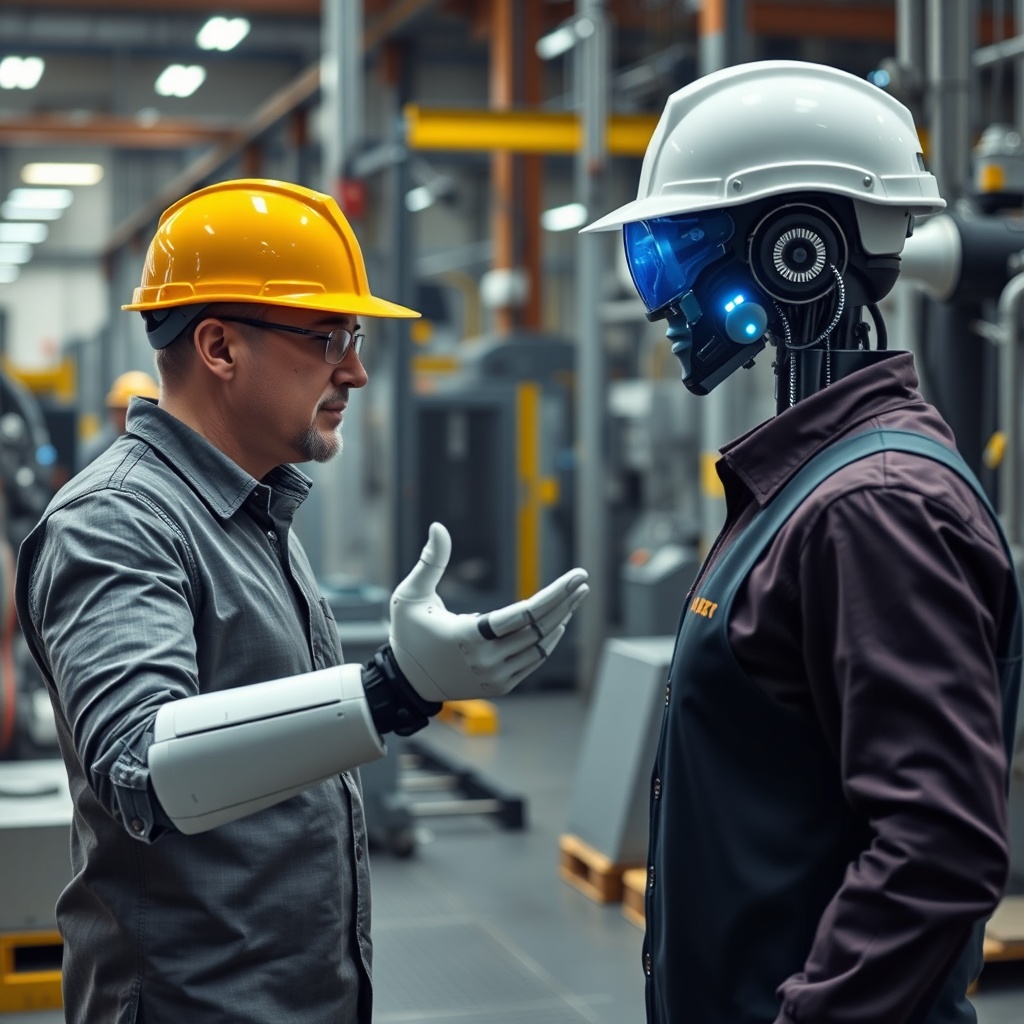
하지만 최근 '노코드 로봇 티칭(No-Code Robot Teaching)' 기술은 이 패러다임을 근본적으로 바꾸고 있습니다. 🎤 이제 로봇은 더 이상 코딩 장벽 뒤에 숨어있는 기계가 아닙니다. 현장 작업자가 '말 한마디'나 '간단한 시연 동작'만으로 로봇을 동료처럼 가르칠 수 있는 시대, 그 혁신의 현장을 리포트합니다.
1단계. 개념 소개: 노코드 로봇 티칭, 로봇 운용의 민주화를 선언하다 🤖
노코드 로봇 티칭이란, 전문 프로그래머 없이도 일반 작업자가 음성 명령어, 시연(Demonstration) 기반의 물리적 조작, 또는 간단한 GUI를 통해 로봇의 작업 경로와 동작을 설정하게 하는 기술을 의미합니다. 이는 로보틱스 분야의 현장 운용 민주화(Operational Democratization)를 위한 핵심적인 기술입니다.
과거에는 로봇의 위치(Position)와 속도(Velocity)를 제어하기 위해 복잡한 스크립트 언어나 전용 프로그래밍 펜던트를 사용해야 했습니다. 하지만 AI와 센서 기술의 발전 덕분에, 이제 로봇은 인간의 의도와 행동을 학습하여 스스로 코드를 생성하거나 최적화할 수 있게 되었습니다.
2단계. 국내외 제조업 현장 적용 사례: 코봇(Cobot)을 넘어 인공지능 로봇으로 🏭
노코드 티칭 기술이 가장 활발하게 적용되는 분야는 협동로봇(Cobot) 시장입니다.
| 구분 | 적용 내용 및 인사이트 |
|---|---|
| 국내 협동로봇 (중소제조업) | 작업자가 로봇 팔을 직접 잡고 복잡한 용접/조립 순서를 한 번 시연하는 ‘직접 교시(Direct Teaching)’ 방식이 보편화. 생산 품목이 자주 바뀌는 다품종 소량 생산 환경에 극도로 유리해짐. |
| 해외 첨단 제조업 (Tesla/Gigafactory) | 음성 명령과 AI 비전 시스템의 결합. 작업자가 특정 작업을 요청하면, 로봇이 비전 시스템으로 환경을 인식하고 스스로 최적의 작업 경로를 생성하여 실시간으로 오류를 수정하며 작업 수행. |
제가 주목한 부분은 해외 사례처럼, 노코드 인터페이스가 단순히 GUI를 넘어 음성(Voice)과 비전(Vision) 기반의 인공지능으로 발전하고 있다는 점입니다. 이는 사람이 로봇을 가르치는 방식이 '좌표 입력'에서 '대화 및 시연'으로 완전히 이동했음을 의미합니다.
3단계. 최신 트렌드: LLM과 RAG의 결합, 로봇의 지능이 폭발하다 🚀
최근 LLM(대규모 언어 모델)의 발전은 로봇 티칭 기술에 새로운 차원을 열어주었습니다.
3.1. 자연어 이해(NLU) 기반 복합 명령 처리
단순히 "멈춰"나 "시작해" 같은 명령을 넘어서, 로봇은 이제 맥락을 이해합니다. 예를 들어, "오늘 오후 4시까지 A라인 생산량이 부족할 것 같으니, 로봇이 포장하는 속도를 10% 높이고 팔레트 적재 패턴을 변경해 줘."와 같은 복잡한 의사결정 명령을 자연어로 수용하고, 스스로 최적의 동작 코드를 재구성할 수 있게 되었습니다.
3.2. RAG (검색 증강 생성) 로봇의 등장
가장 혁신적인 트렌드는 RAG(Retrieval-Augmented Generation)의 도입입니다. 로봇이 현장에서 작업할 때, 자체 데이터베이스나 기업의 ERP 시스템, 또는 과거의 오류 로그를 실시간으로 검색(Retrieval)하여 작업에 필요한 지식을 보강합니다. 만약 작업자가 잘못된 명령을 내리면, 로봇은 "이 작업은 규격 A에 위배됩니다. 규격 B로 변경하는 것이 맞습니까?"라고 반문하며 스스로 오류를 교정하는 능력을 갖추게 됩니다.
4단계. 비즈니스적 의미: TCO(총소유비용)를 혁신하는 지름길 📈
23년 동안 수많은 IT 프로젝트를 기획하면서 깨달은 사실은, 기술 도입의 진정한 장벽은 초기 투자 비용(CAPEX)이 아니라는 것입니다. 바로 변화하는 환경에 맞춰 시스템을 유지보수하고 재설정하는 운영 비용(OPEX), 즉 TCO(총소유비용)가 핵심입니다.
노코드 티칭 기술은 이 TCO를 극적으로 낮춥니다.
- 민첩성 극대화: 생산 라인 변경 시, 수일이 걸리던 재프로그래밍을 현장 작업자가 몇 시간 내에 완료할 수 있습니다.
- 인력 구조 혁신: 프로그래머 의존도를 줄이고, 현장 숙련공이 로봇 운용 전문가로 거듭나게 하여 인력난에 대응할 수 있습니다.
- 신속한 투자 회수(ROI): 로봇 도입 후 가동률을 빠르게 안정화시키고, 유연 생산 체제를 구축하여 투자 회수 기간을 단축합니다.
5단계. 실무 활용 팁: 현장 운용 민주화를 위한 두 가지 전략 ⚙️
AI 기반 노코드 로봇 플랫폼(예: 특정 협동로봇 브랜드의 티칭 소프트웨어, 로봇 시뮬레이션 환경)을 도입할 경우, 반드시 현장 작업자들을 위한 '새로운 로봇 언어' 훈련 프로그램을 설계해야 합니다. 기술이 아무리 좋아도 작업자가 거부하거나 제대로 활용하지 못하면 무용지물이 됩니다. 단순 사용자 교육이 아닌, 로봇을 '동료'로 인식하게 하는 패러다임 전환 교육이 필요합니다.
노코드 시스템은 대부분의 반복 작업에 효율적이지만, 아직 복잡하고 예외적인 경로 최적화나 미세 조정에서는 전문 프로그래밍의 디테일을 따라가지 못할 수 있습니다. 로봇 도입 초기에는 기존 프로그래머와 노코드 사용자가 협력하는 하이브리드 접근법을 채택하여, 안전성과 효율성을 동시에 확보해야 합니다.
로봇은 이제 현장 작업자의 손과 입이 되어, '동료'로서의 역할을 수행하고 있습니다. 노코드 로봇 티칭 기술은 단순한 자동화를 넘어, 생산 유연성을 극대화하고 숙련된 인력난을 해소하는 결정적인 열쇠입니다. 이 기술을 도입하는 것은 '선택'이 아닌 '생존'의 문제가 되고 있습니다. 오늘 배운 관점으로 여러분의 현장을 다시 한번 바라보는 계기가 되기를 바랍니다. 다음 리포트도 기대해 주세요! 😊
Programming Robots with a Single Word:
No-Code Robot Teaching Technology Insights and Practical Guide
Series: Insights from Robotics Technology Closer to Our Daily Lives
The biggest pain point on the shop floor is the shortage of skilled engineers and the difficulty of reprogramming robots due to frequent production schedule changes. As a 23-year IT Planning Team Leader, I know this is the core factor raising the barrier to robot adoption. If you need to call an external programmer every time you need a minor adjustment to a robot's movement, agility must be sacrificed.
However, recent 'No-Code Robot Teaching' technology is fundamentally changing this paradigm. 🎤 Robots are no longer machines hidden behind a coding barrier. This report covers the innovation where shop floor workers can instruct robots like colleagues, using just 'a few words' or 'simple demonstration gestures.'
Step 1. Concept Introduction: No-Code Robot Teaching Declares Operational Democratization 🤖
No-Code Robot Teaching refers to technology that allows non-programmer workers to set a robot's work path and motion using voice commands, demonstration-based physical manipulation, or simple GUIs. This is a critical technology for Operational Democratization in robotics.
In the past, complex scripting languages or specialized programming pendants were needed to control a robot's position and velocity. Thanks to advancements in AI and sensor technology, robots can now learn human intentions and behaviors, generating code or optimizing tasks autonomously.
Step 2. Manufacturing Application Cases: Beyond Cobots to AI Robots 🏭
The collaborative robot (Cobot) market is where No-Code teaching technology is most actively applied.
| Category | Application Details and Insights |
|---|---|
| Domestic Cobots (SMEs) | Direct Teaching methods, where workers physically guide the robot arm to demonstrate complex welding/assembly sequences, have become common. Highly advantageous for high-mix, low-volume production environments with frequent product changes. |
| Advanced Overseas Manufacturing (Tesla/Gigafactory) | Integration of voice command and AI Vision systems. When a worker requests a specific task, the robot perceives the environment via the vision system, generates the optimal path itself, and performs the task while correcting errors in real-time. |
The part I focused on, like in the overseas example, is that the No-Code interface is evolving beyond simple GUIs into Voice and Vision-based AI. This means the way humans teach robots has completely shifted from 'coordinate input' to 'conversation and demonstration.'
Step 3. Latest Trends: LLM and RAG Integration Explodes Robot Intelligence 🚀
The recent development of Large Language Models (LLMs) has opened a new dimension in robot teaching technology.
3.1. Complex Command Processing based on Natural Language Understanding (NLU)
Beyond simple commands like "Stop" or "Start," robots now understand context. For example, the robot can accept complex decision-making instructions in natural language, such as, "Since production volume for Line A will be low by 4 PM, increase the packaging speed by 10% and change the pallet stacking pattern." and autonomously reconfigure the optimal action code.
3.2. The Emergence of RAG (Retrieval-Augmented Generation) Robots
The most innovative trend is the introduction of RAG. When a robot works on site, it enhances its knowledge by retrieving information in real-time from its database, the company's ERP system, or past error logs. If a worker gives an incorrect command, the robot gains the ability to self-correct errors by questioning, "This operation violates specification A. Should I change it to specification B?"
Step 4. Business Implications: The Shortcut to TCO (Total Cost of Ownership) Innovation 📈
What I have learned through planning countless IT projects over 23 years is that the true barrier to technology adoption is not the initial Capital Expenditure (CAPEX). It is the Operational Expenditure (OPEX)—the TCO—required to maintain and reconfigure the system according to changing environments.
No-Code teaching technology dramatically lowers this TCO:
- Maximized Agility: Reprogramming that used to take days for production line changes can now be completed by shop floor workers within hours.
- Workforce Structure Innovation: Reduces dependence on programmers, allowing skilled floor workers to become robot operation specialists, addressing labor shortages.
- Rapid Return on Investment (ROI): Quickly stabilizes the utilization rate after robot adoption and establishes flexible production systems, shortening the ROI period.
Step 5. Practical Tips: Two Strategies for Operational Democratization ⚙️
When implementing AI-based No-Code robot platforms(e.g., specific cobot brand teaching software, robot simulation environments), you must design a training program for the 'new robot language' targeting shop floor workers. No matter how good the technology is, it becomes useless if workers reject it or misuse it. This requires a paradigm shift education, teaching workers to view the robot as a 'colleague,' not just user training.
No-Code systems are efficient for most repetitive tasks, but they may not yet match the detail of expert programming for complex path optimization or fine-tuning exceptions. In the early stages of robot adoption, a hybrid approach—where existing programmers and No-Code users collaborate—must be adopted to ensure both safety and efficiency.
Robots are now acting as the hands and voice of shop floor workers, fulfilling the role of a 'colleague.' No-Code Robot Teaching technology is the critical key to maximizing production flexibility and resolving skilled labor shortages, going beyond mere automation. Adopting this technology is no longer a 'choice' but a matter of 'survival.' I hope this report inspires you to look at your operational environment again through this new lens. Look forward to the next report! 😊
댓글
댓글 쓰기