[Robotics 11. 로봇 도입 ROI의 재정의: 무형 가치를 수치화하는 IT 팀장의 전략적 로보틱스 인사이트 가이드 (Redefining Robot Adoption ROI: An IT Manager's Guide to Quantifying Intangible Value in Robotics)
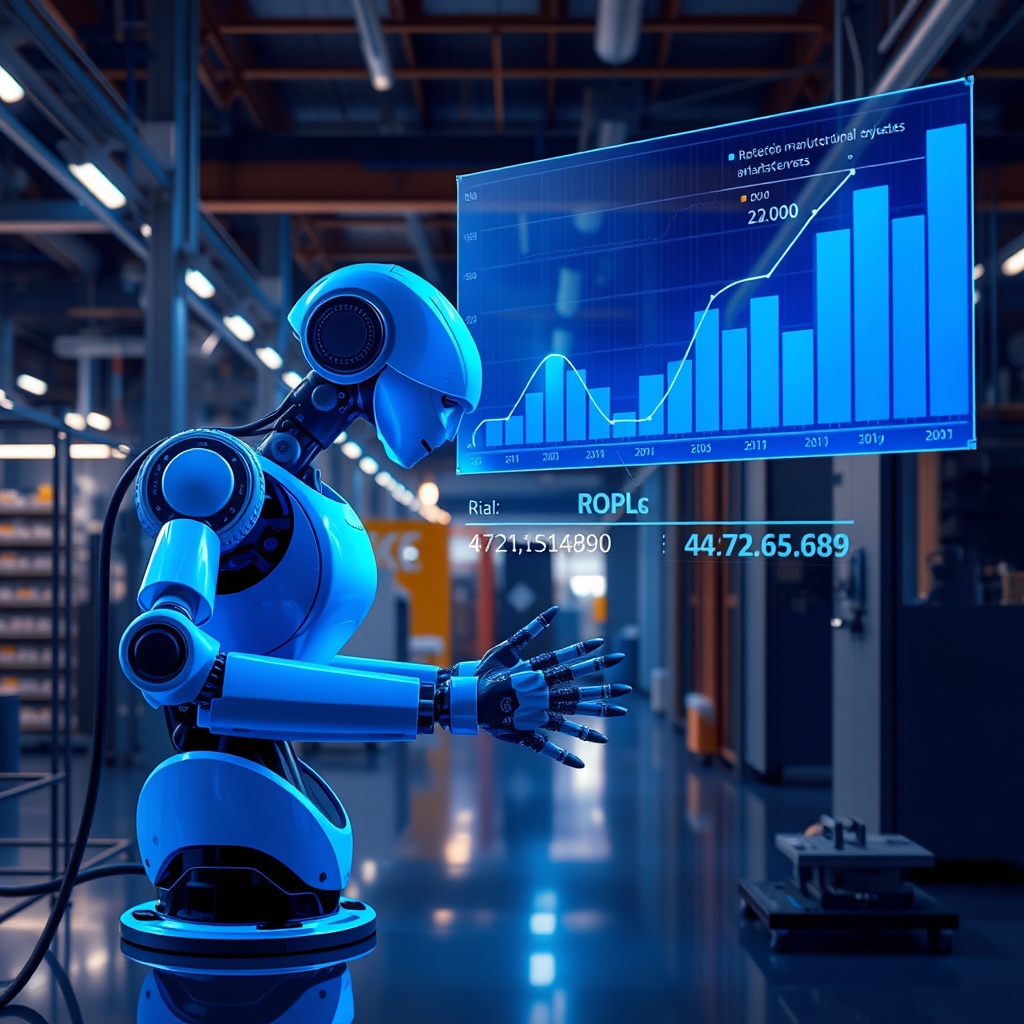
최근 제조 현장에서 '로봇 도입'은 더 이상 선택이 아닌 생존 전략입니다. 하지만 23년 차 IT 기획자의 시각에서 볼 때, 많은 기업들이 로봇 투자의 ROI(Return on Investment)를 단순히 '인건비 절감'이라는 단편적인 프레임에 가두고 있습니다. 🤖
진정한 로봇 도입의 가치는 생산성 향상, 공정 유연성 확보, 그리고 안전 사고 감소와 같은 '무형의 자산'을 통해 극대화됩니다. 이번 리포트에서는 IT 팀장으로서 제가 현장에서 직접 적용하고 검증한, 로봇 도입의 전략적 ROI 계산 노하우를 공개합니다. 파편화된 기술 지식을 넘어, 투자가치를 극대화하는 비즈니스 관점을 확보하시길 바랍니다. 📈
1. 로보틱스 ROI, 인건비 절감 너머를 보다: TCO와 무형 가치의 결합 🎤
전통적인 ROI 계산법은 '로봇 구매 및 설치 비용'과 '대체되는 인력 비용'만을 비교합니다. 하지만 이 방법론은 로봇 도입의 총 소유 비용(TCO, Total Cost of Ownership)을 간과할 뿐만 아니라, 장기적인 비즈니스 가치를 완전히 배제합니다.
성공적인 로보틱스 전략은 TCO(초기 비용, 유지보수, 교육, 통합 비용 등)를 정확히 산출하는 것에서 시작합니다. 그리고 여기에 반드시 무형 가치(Intangible Value)를 수치화하여 합산해야 합니다. IT 기획팀이 제시해야 할 ROI는 단기적인 회수율이 아닌, 전략적 경쟁력 확보율이어야 합니다.
무형 가치를 측정하는 세 가지 핵심 축
- 품질 및 일관성: 불량률(Defect Rate) 감소, 재작업(Rework) 시간 감소.
- 유연성 및 처리량(Throughput): 생산 라인 전환 시간(Setup Time) 단축, 최대 생산량(Peak Output) 증가.
- 안전 및 규제 준수: 산업재해율 감소, 보험료 절감, ESG 점수 향상.
🚀
2. 국내외 제조업 현장 적용 사례: 무형 가치 수치화의 실제 🏭
글로벌 완성차 제조업체 A사는 용접 및 도장 로봇을 도입하며 '인건비 절감액' 외에 '불량률 감소에 따른 비용 절감액'을 ROI에 포함했습니다. 로봇 도입 전 1.5%였던 주요 공정 불량률이 0.3%로 낮아지면서, 연간 100억 원 이상의 재작업 및 폐기 비용을 절감하는 효과를 수치화했습니다. 이 수치는 로봇 자체 투자 비용보다 훨씬 컸습니다.
국내 중소 부품 제조사 B사는 위험한 프레스 공정에 협동 로봇(Cobot)을 도입했습니다. 직접적인 인건비 절감 효과는 미미했지만, 산재 보험료 할증액 감소, 산재 발생 시의 법적 리스크 비용 절감, 그리고 근로자의 이직률 감소(숙련 인력 유지)라는 무형의 이점을 명확히 계산에 포함했습니다. 특히, 안전 사고 발생 건당 추정 손실액(법적 비용, 생산 중단 손실 포함)을 산출하여 이를 감소시킨 효과를 연간 ROI에 반영함으로써, 내부 재무팀의 승인을 쉽게 얻어냈습니다.
📊
3. 최신 트렌드: 'Robotics as a Data Generator' 전략 📊
최근 로보틱스 분야의 최신 트렌드는 단순 자동화를 넘어, 로봇이 생산하는 고정밀 데이터를 비즈니스 의사결정에 활용하는 것입니다. 로봇은 이제 작업을 수행하는 기계를 넘어, 가장 신뢰할 수 있는 현장 데이터 생성기(Data Generator) 역할을 합니다.
로봇이 수집한 진동, 온도, 작동 시간 데이터는 예측 정비(Predictive Maintenance)를 가능하게 합니다. 이로 인해 불시의 생산 중단(Downtime)을 획기적으로 줄일 수 있으며, 이 손실 감소액을 명확히 ROI에 포함시키십시오. (예: 생산 중단 1시간당 500만 원 손실 → 로봇 도입 후 중단 시간 30% 감소 → 연간 00억 원 세이빙).
🧠
4. 의미와 시사점: 로봇은 '자산'이 아닌 '전략적 인프라' 🧠
로봇 투자는 이제 비용 절감이라는 단기 재무 목표를 넘어, 기업의 미래 경쟁력과 회복 탄력성(Resilience)을 결정짓는 전략적 인프라로 간주되어야 합니다. 특히 글로벌 공급망 불안정성이 커지는 상황에서, 로봇이 제공하는 생산의 일관성과 유연성은 금전적 가치로 환산하기 어려운 핵심 자산입니다.
새로운 로봇 도입 후 기존 시스템(ERP, MES 등)과의 통합이 원활하지 않아 발생하는 통합 실패 비용(Integration Failure Cost)을 ROI 산출 시 반드시 TCO에 포함시켜야 합니다. IT 기획팀은 초기 통합 단계에서 예상보다 많은 리소스가 투입될 수 있음을 미리 경고하고 예산을 확보해야 합니다.
📝
5. 업무 활용 팁: 로봇 도입 ROI 측정 템플릿 제안 📝
실무에서 로봇 도입을 설득할 때 가장 강력한 도구는 '객관적인 수치'입니다. 다음은 인건비 절감 외에 무형 가치를 포함하여 ROI를 계산하는 템플릿 구조입니다. (단위: 연간)
| 구분 | 측정 항목 | 수치화 방법 (예시) |
|---|---|---|
| 유형적 이익 (Financial Gain) | 직접 인건비 절감, 에너지 효율 개선 | 절감 인력 수 X 평균 인건비 |
| 무형적 이익 (Intangible Gain) | 불량률 감소, 안전 사고 감소, 가동률 증가 | 불량품 비용 X 감소율, 산재 보험료 절감액 + 예상 사고 손실 회피액 |
| 비용 (Cost) | 로봇 구매/설치비, 유지보수비, 소프트웨어 구독료 | TCO 분할 상각(Depreciation) |
로보틱스는 현장의 효율성을 높이는 도구를 넘어, 기업의 미래 가치를 높이는 전략적 무기입니다. 단순히 '기계를 사는 행위'가 아니라, 데이터와 안전, 품질이라는 세 마리 토끼를 잡는 투자임을 재무팀에 설득할 수 있어야 합니다. 오늘 배운 관점으로 여러분의 로봇 도입 계획을 다시 한번 점검하는 계기가 되기를 바랍니다. 다음 리포트에서는 AI와 로봇의 결합이 만드는 현장 운용의 민주화 전략에 대해 다루겠습니다. 😊
English Version: Redefining Robot Adoption ROI
In modern manufacturing, 'robot adoption' is no longer optional—it's a survival strategy. However, from the perspective of a 23-year IT planner, many companies limit the ROI (Return on Investment) of robotics to the narrow framework of 'labor cost reduction.' 🤖
The true value of robot implementation is maximized through 'intangible assets' such as productivity gains, process flexibility, and reduced safety incidents. In this report, I will share the strategic ROI calculation know-how I personally applied and verified in the field as an IT Team Manager. Move beyond fragmented technical knowledge and gain a business perspective that maximizes investment value. 📈
1. Robotics ROI: Looking Beyond Labor Costs: Combining TCO and Intangible Value 🎤
Traditional ROI calculations only compare 'robot purchase and installation costs' against 'displaced personnel costs.' This methodology overlooks the robot adoption's Total Cost of Ownership (TCO) and entirely excludes long-term business value.
A successful robotics strategy begins with accurately calculating TCO (initial cost, maintenance, training, integration costs). Crucially, this must be combined with quantifying Intangible Value. The ROI presented by the IT planning team should not be a short-term recovery rate but rather a measure of strategic competitive advantage gained.
Three Core Pillars for Measuring Intangible Value
- Quality and Consistency: Reduction in Defect Rate, decrease in Rework time.
- Flexibility and Throughput: Shorter Production Line Setup Time, increase in Peak Output.
- Safety and Compliance: Reduction in Industrial Accident Rate, lower insurance premiums, improved ESG scores.
🚀
2. Global and Domestic Case Studies: The Reality of Intangible Value Quantification 🏭
Global automaker Company A, upon adopting welding and painting robots, included 'cost savings from defect rate reduction' in their ROI, in addition to 'labor cost savings.' By lowering the defect rate in key processes from 1.5% to 0.3%, they quantified an effect that saved over 10 billion KRW annually in rework and scrap costs. This quantified figure significantly exceeded the robot investment cost itself.
Korean SME parts manufacturer B adopted Collaborative Robots (Cobots) for hazardous press processes. While direct labor cost savings were minimal, they clearly factored in the intangible benefits of reduced industrial accident insurance premiums, savings on legal risk costs from potential accidents, and lower employee turnover (retaining skilled labor). Specifically, by calculating the estimated loss per accident occurrence (including legal costs and production loss) and reflecting the reduction of this loss in the annual ROI, they easily secured approval from their internal finance team.
📊
3. Latest Trend: The 'Robotics as a Data Generator' Strategy 📊
The latest trend in robotics moves beyond simple automation to leveraging the high-precision data robots produce for business decision-making. Robots are no longer just task-executing machines; they serve as the most reliable on-site Data Generators.
Data collected by robots—vibration, temperature, and operating hours—enables Predictive Maintenance. This drastically reduces unforeseen production downtime. Clearly include this reduction in loss within your ROI calculation. (Example: Loss of 5 million KRW per hour of downtime → 30% reduction in downtime after robot adoption → 00 billion KRW saved annually).
🧠
4. Significance and Implications: Robots as 'Strategic Infrastructure,' Not 'Assets' 🧠
Robotics investment must be viewed beyond short-term financial goals like cost savings; it is strategic infrastructure that determines a company's future competitiveness and Resilience. Especially amid growing global supply chain instability, the consistency and flexibility provided by robots are core assets whose value is hard to quantify merely in monetary terms.
The Integration Failure Cost that arises if new robots are not smoothly integrated with existing systems (ERP, MES, etc.) must be included in the TCO calculation. The IT planning team should proactively warn of the higher-than-expected resource allocation required during the initial integration phase and secure the necessary budget.
📝
5. Practical Tips: Suggested Robot Adoption ROI Measurement Template 📝
The most powerful tool for persuading stakeholders about robot adoption is 'objective quantification.' Below is a template structure for calculating ROI, including intangible values, beyond just labor cost savings. (Unit: Annual)
| Category | Measurement Item | Quantification Method (Example) |
|---|---|---|
| Tangible Gain (Financial) | Direct Labor Cost Savings, Energy Efficiency Improvement | Number of personnel reduced X Average labor cost |
| Intangible Gain (Non-Financial) | Reduced Defect Rate, Reduced Safety Incidents, Increased Uptime | Defect Cost X Reduction Rate, Insurance premium savings + Avoided estimated accident losses |
| Cost (TCO) | Robot Purchase/Installation, Maintenance, Software Subscription | Depreciation of TCO over useful life |
Robotics is more than a tool to enhance efficiency; it is a strategic weapon to boost a company's future value. It's not merely 'buying a machine,' but an investment that secures data, safety, and quality simultaneously. You must be able to convince the finance team of this holistic value. I hope this report serves as a catalyst for you to re-evaluate your current robot adoption plans. In the next report, we will discuss the democratization of field operations enabled by the convergence of AI and robotics. 😊
댓글
댓글 쓰기