[CES 2026]13. 자율주행의 재탄생: AI가 해결한 안전성 정체기 (The Rebirth of Autonomous Driving: AI Solves the Safety Plateau)
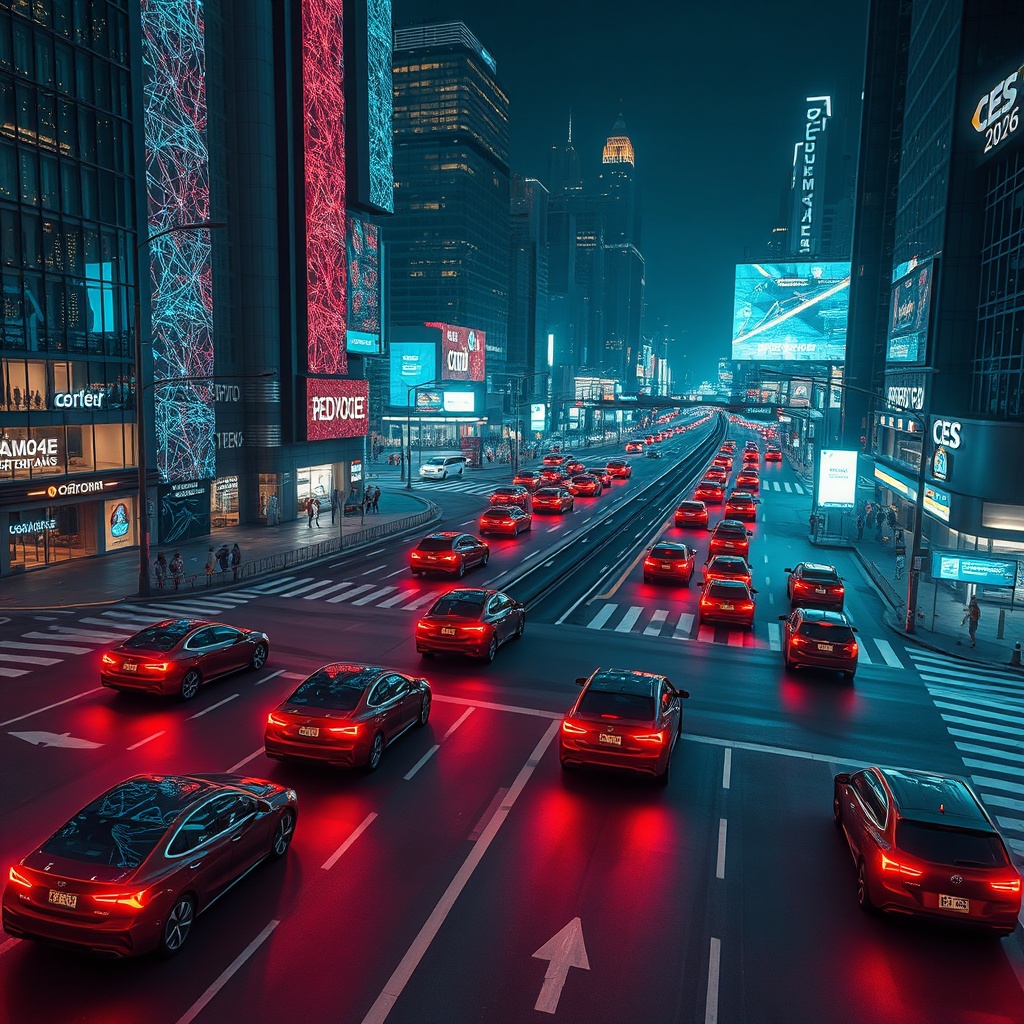
라스베이거스의 뜨거운 열기 속에서, 이번 CES 2026은 단연 AI와 모빌리티의 융합으로 가득했습니다. 특히 자율주행 분야는 그동안의 '안전성 정체기(Plateau)'를 넘어 새로운 전성기를 맞이할 준비를 마친 듯 보였습니다. 🚀 제가 현장에서 직접 목격한 테슬라와 웨이모의 시가지 주행 데모는 단순한 기술 시연을 넘어, AI가 어떻게 자율주행의 신뢰성을 근본적으로 재정의하는지 여실히 보여주었습니다. 오늘 이 자리에서, 23년 차 기획자의 시선으로 이 놀라운 변화의 본질과 우리 비즈니스에 미칠 파장을 명쾌하게 분석해 드립니다.
1. 개념 소개: 자율주행, 안전성 정체기란 무엇인가? 🚀
자율주행 기술은 운전자의 개입 수준에 따라 레벨 0부터 5까지 나뉩니다. 레벨 2는 특정 조건에서 부분 자동화, 레벨 3는 조건부 자율주행으로 시스템이 대부분을 처리하지만 운전자 개입이 필요한 수준입니다. 그러나 고속도로 같은 제한된 환경과 달리, 예측 불가능한 변수가 가득한 복잡한 시가지 환경에서 인간 수준의 인지, 판단, 제어 능력을 확보하는 것은 엄청난 난관이었습니다. 이를 우리는 '안전성 정체기(Safety Plateau)'라 부르며, 보행자의 돌발 행동, 비정형적인 도로 상황, 다양한 차량 간의 상호작용 등 수많은 '엣지 케이스(Edge Cases)'가 자율주행 시스템의 상용화를 가로막는 주요 원인이었습니다.
2. CES 2026, 테슬라와 웨이모가 선보인 혁신 💡
이번 CES 2026에서 가장 큰 주목을 받은 건 단연 테슬라와 웨이모였습니다. 두 기업 모두 고질적인 안전성 문제를 AI 기반 솔루션으로 극복하며 자율주행의 새로운 가능성을 증명했습니다.
- 테슬라 (Tesla): FSD (Full Self-Driving) 베타 버전은 수십만 대의 차량에서 수집된 방대한 실제 주행 데이터를 기반으로 훈련된 뉴럴넷(Neural Network)이 핵심입니다. 특히 시가지 주행에서 예측 불가능한 보행자의 움직임, 불법 좌회전 차량, 갑작스러운 끼어들기 등 복잡한 시나리오에 대해 놀랍도록 부드럽고 인간적인 대응을 시연했습니다. 비전(Vision) 기반 시스템의 한계를 AI 모델 고도화로 극복하며, 주변 환경의 미묘한 변화까지 감지하고 예측하는 능력을 선보였습니다.
- 웨이모 (Waymo): 웨이모는 고해상도 LiDAR, 레이더, 카메라의 완벽한 센서 퓨전과 더불어 중복 시스템을 통해 안정성을 극대화했습니다. 수백만 마일의 실제 주행 데이터와 방대한 시뮬레이션 환경에서의 정교한 학습은 교차로, 건설 현장, 우회전 전용 차선 등 예측하기 어려운 상황에서의 정교한 판단과 대응 능력을 과시했습니다. 특히 '오버캐스트(Overcast)'라는 자체 기술은 클라우드 기반의 실시간 지도 업데이트와 에지 컴퓨팅을 결합하여 자율주행의 안정성을 한층 끌어올렸습니다.
| 구분 | 테슬라 (Tesla) | 웨이모 (Waymo) |
|---|---|---|
| 핵심 기술 | 비전 중심 뉴럴넷, 대규모 실주행 데이터 | 고해상도 센서 퓨전 (LiDAR, Radar, Camera), 정교한 맵핑 |
| 접근 방식 | 종단간(End-to-End) 딥러닝 | 모듈형 시스템, 철저한 안전 검증 |
| 강점 | 빠른 학습 및 확장성, AI 기반 예측 | 극한 상황에서의 높은 신뢰성과 정교함 |
3. 최신 트렌드: AI 엣지 컴퓨팅과 인간-AI 협업 📈
자율주행의 안전성을 한 단계 끌어올린 핵심에는 두 가지 트렌드가 자리 잡고 있습니다.
- AI 엣지 컴퓨팅 (AI Edge Computing): 자율주행 차량은 클라우드에 의존하기에는 너무나 많은 데이터를 실시간으로 처리해야 합니다. 따라서 차량 내부에서 센서 데이터를 즉시 분석하고 의사결정을 내리는 AI 엣지 컴퓨팅 기술이 필수적입니다. 이를 통해 반응 속도를 획기적으로 높이고, 데이터 전송 지연 문제를 해결하며, 보안성을 강화할 수 있습니다. 최적화된 하드웨어와 경량화된 AI 모델 개발이 핵심 경쟁력이 됩니다.
- 인간-AI 협업 (Human-AI Collaboration) 및 예측 AI: 완전 자율주행(레벨 5)으로 가는 길은 여전히 멀고 험합니다. 이에 따라, AI가 스스로 판단하기 어려운 '예외 상황'에서 인간 운전자의 개입을 요청하거나, 원격 관제 시스템(Tele-operation)과 유기적으로 연결되어 안전을 확보하는 '인간-AI 협업' 모델이 중요해지고 있습니다. 또한, 단순히 사물을 인지하는 것을 넘어 보행자나 다른 차량의 의도를 예측하고 잠재적 위험을 미리 파악하는 '예측 AI' 기술의 발전이 자율주행의 신뢰성을 더욱 높이고 있습니다.
4. 의미와 시사점: '자율주행의 재탄생'이 가져올 비즈니스 기회 🌍
자율주행의 안전성 정체기 극복은 단순한 기술적 진보를 넘어 전 산업에 걸쳐 광범위한 변화를 가져올 것입니다.
- 모빌리티 서비스 혁신: 로보택시, 라스트 마일 배송, 장거리 트럭 운송 등 다양한 모빌리티 서비스의 상용화가 가속화될 것입니다. 이는 운송 비용을 획기적으로 절감하고 효율성을 극대화하여 새로운 비즈니스 모델을 창출할 수 있습니다.
- 산업 생태계 변화: 자동차 제조사를 넘어 IT, 반도체, 통신, 보험, 도시 계획 등 다양한 산업이 자율주행 생태계에 참여하며 새로운 가치를 창출할 것입니다. 데이터 플랫폼, 인프라 구축, 법률 및 보험 상품 개발 등 파생 산업의 성장도 기대됩니다.
- 소비자 신뢰 회복과 사회적 수용 증대: 안전성 검증이 명확해질수록 대중의 자율주행에 대한 신뢰가 높아지고, 이는 실제 서비스의 확산과 사회적 수용 증대로 이어질 것입니다. AI 기반의 예측 가능성과 안정적인 주행 경험은 이 신뢰를 쌓는 가장 중요한 열쇠가 될 것입니다.
자율주행은 더 이상 자동차만의 이야기가 아닙니다. 이는 도시의 모습, 물류의 흐름, 심지어 우리의 여가 시간까지 재편할 거대한 플랫폼 혁명이며, '안전성'은 이 혁명의 가장 강력한 동력이 될 것입니다. 비즈니스 리더들은 이 흐름을 읽고 선제적으로 대응해야 합니다.
5. 업무 활용 팁: 우리 회사에 적용할 자율주행 인사이트 🎯
자율주행 기술이 먼 미래의 이야기처럼 느껴지시나요? 그렇지 않습니다. 지금부터 준비해야 할 실무적인 팁을 공유합니다.
- 데이터 전략 재정비: 자율주행은 방대한 실시간 데이터 수집, 처리, 분석 능력을 요구합니다. 우리 회사도 현재 보유한 데이터의 가치를 재평가하고, AI 시대에 맞춰 데이터 수집, 정제, 활용 전략을 고도화해야 합니다. 이는 고객 행동 분석, 시장 예측 등 다양한 분야에 적용될 수 있습니다.
- AI 역량 강화 및 협력 모색: 단순히 AI 솔루션을 도입하는 것을 넘어, AI 모델의 원리를 이해하고 비즈니스에 적용할 수 있는 내부 인력 양성 또는 AI 전문 기업과의 협력이 필수적입니다. 자율주행 관련 스타트업과의 오픈 이노베이션도 좋은 방법입니다.
- 새로운 서비스 모델 탐색: 현재 비즈니스와 자율주행 기술의 접점을 찾아보세요. 물류 효율화, 고객 경험 개선, 새로운 스마트 시티 서비스 등 무한한 가능성이 있습니다. 예를 들어, '스마트 물류 로봇 도입'이나 '자율주행 셔틀을 활용한 사내 이동 서비스' 등을 구상해 볼 수 있습니다.
- 경쟁사 및 파트너십 동향 주시: 자율주행 기술은 단일 기업의 힘만으로는 완성되기 어렵습니다. 관련 기술 기업과의 협력, 또는 새로운 경쟁 구도에 대한 면밀한 분석이 필요합니다. 모빌리티 산업 전반의 변화를 주시하며 우리 회사의 포지셔닝을 고민해야 합니다.
기술 발전 속도만큼 중요한 것은 '법적, 제도적' 인프라 구축입니다. 자율주행 기술 도입을 검토할 때는 규제 환경 변화를 지속적으로 모니터링하고, AI 윤리 및 데이터 프라이버시와 관련된 리스크를 선제적으로 관리해야 합니다.
이번 CES 2026에서 자율주행의 '안전성 정체기'를 해결한 AI의 활약은 모빌리티 산업을 넘어 우리 삶의 모든 영역에 새로운 질문을 던지고 있습니다. 과연 여러분의 비즈니스와 일상에는 어떤 변화의 바람이 불어올까요? 🤔 오늘 분석한 기술이 여러분께 새로운 영감이 되었기를 바랍니다. 다음 CES 리포트에서는 '디지털 헬스케어'의 혁신을 다루겠습니다! 🎡
Amidst the electrifying atmosphere of Las Vegas, CES 2026 was undeniably filled with the convergence of AI and mobility. The autonomous driving sector, in particular, seemed poised for a new golden age, moving beyond its previous 'safety plateau.' 🚀 What I witnessed firsthand—Tesla's and Waymo's urban driving demonstrations—was more than just a technological showcase; it vividly illustrated how AI is fundamentally redefining the reliability of autonomous driving. Today, from the perspective of a 23-year veteran planner, I will clearly analyze the essence of this astonishing transformation and its potential impact on our businesses.
1. Concept Introduction: What is Autonomous Driving and the Safety Plateau? 🚀
Autonomous driving technology is categorized into Levels 0 through 5 based on the level of driver intervention. Level 2 is partial automation under specific conditions, and Level 3 is conditional autonomous driving where the system handles most tasks but requires driver intervention. However, unlike controlled environments such as highways, achieving human-level perception, judgment, and control in complex urban environments full of unpredictable variables has been an immense challenge. We call this the 'Safety Plateau,' where numerous 'Edge Cases' such as sudden pedestrian movements, irregular road conditions, and diverse interactions between vehicles have been major obstacles to the commercialization of autonomous driving systems.
2. CES 2026: Tesla and Waymo's Breakthroughs 💡
At CES 2026, Tesla and Waymo undoubtedly garnered the most attention. Both companies demonstrated new possibilities for autonomous driving by overcoming persistent safety issues with AI-driven solutions.
- Tesla: The FSD (Full Self-Driving) beta version is centered on a Neural Network trained on vast real-world driving data collected from hundreds of thousands of vehicles. In urban driving, it demonstrated remarkably smooth and human-like responses to complex scenarios such as unpredictable pedestrian movements, illegal left-turning vehicles, and sudden cut-ins. By overcoming the limitations of vision-based systems through advanced AI models, Tesla showcased its ability to detect and predict subtle environmental changes.
- Waymo: Waymo maximized safety through perfect sensor fusion of high-resolution LiDAR, radar, and cameras, along with redundant systems. Sophisticated learning from millions of miles of real-world driving data and extensive simulation environments showcased its precise judgment and response capabilities in unpredictable situations like intersections, construction sites, and right-turn-only lanes. In particular, its proprietary 'Overcast' technology combined cloud-based real-time map updates with edge computing to further enhance the stability of autonomous driving.
| Category | Tesla | Waymo |
|---|---|---|
| Core Technology | Vision-centric neural networks, large-scale real-world data | High-resolution sensor fusion (LiDAR, Radar, Camera), precise mapping |
| Approach | End-to-End Deep Learning | Modular system, rigorous safety validation |
| Strength | Rapid learning and scalability, AI-based prediction | High reliability and precision in extreme conditions |
3. Latest Trends: AI Edge Computing and Human-AI Collaboration 📈
Two key trends are at the heart of the significant leap in autonomous driving safety.
- AI Edge Computing: Autonomous vehicles must process an immense amount of data in real-time, far too much to rely solely on the cloud. Therefore, AI Edge Computing technology, which analyzes sensor data and makes decisions instantly within the vehicle, is essential. This dramatically increases response speed, resolves data transmission latency issues, and enhances security. Optimized hardware and lightweight AI model development are key competitive advantages.
- Human-AI Collaboration and Predictive AI: The road to fully autonomous driving (Level 5) remains long and challenging. Consequently, 'Human-AI Collaboration' models are becoming crucial, where the AI requests human driver intervention in 'exceptional situations' it finds difficult to handle independently, or seamlessly connects with remote tele-operation systems to ensure safety. Furthermore, the advancement of 'Predictive AI' technology, which goes beyond mere object recognition to predict the intentions of pedestrians or other vehicles and identify potential risks in advance, is further enhancing the reliability of autonomous driving.
4. Meaning & Implications: Business Opportunities from the 'Rebirth of Autonomous Driving' 🌍
Overcoming the safety plateau in autonomous driving will bring about widespread changes across all industries, not just a simple technological advancement.
- Revolutionizing Mobility Services: The commercialization of various mobility services such as robotaxis, last-mile delivery, and long-haul truck transport will accelerate. This can dramatically reduce transportation costs, maximize efficiency, and create new business models.
- Industry Ecosystem Transformation: Beyond automotive manufacturers, various industries including IT, semiconductors, telecommunications, insurance, and urban planning will participate in the autonomous driving ecosystem, creating new value. Growth in derivative industries such as data platforms, infrastructure development, and legal/insurance product development is also anticipated.
- Regaining Consumer Trust and Increasing Social Acceptance: As safety validation becomes clearer, public trust in autonomous driving will increase, leading to the expansion of actual services and greater social acceptance. AI-driven predictability and a stable driving experience will be the most crucial keys to building this trust.
Autonomous driving is no longer just about cars. It is a vast platform revolution that will reshape cities, logistics, and even our leisure time, with 'safety' being the most powerful driving force of this revolution. Business leaders must recognize this trend and respond proactively.
5. Business Application Tips: Applying Autonomous Driving Insights to Your Business 🎯
Does autonomous driving technology feel like a distant future to you? It's not. Here are practical tips you should start preparing for now.
- Re-evaluate Data Strategy: Autonomous driving demands extensive real-time data collection, processing, and analysis capabilities. Your company must also re-evaluate the value of its current data and upgrade its data collection, refinement, and utilization strategies for the AI era. This can be applied to various fields such as customer behavior analysis and market forecasting.
- Strengthen AI Capabilities and Seek Collaboration: Beyond merely adopting AI solutions, it's crucial to cultivate in-house personnel who understand the principles of AI models and can apply them to business, or to collaborate with AI specialized companies. Open innovation with autonomous driving startups is also a good approach.
- Explore New Service Models: Identify intersections between your current business and autonomous driving technology. There are infinite possibilities, such as optimizing logistics, enhancing customer experience, or developing new smart city services. For example, you could envision 'introducing smart logistics robots' or 'in-house transportation services using autonomous shuttles'.
- Monitor Competitor and Partnership Trends: Autonomous driving technology is difficult to achieve solely by a single company's efforts. Thorough analysis of collaborations with relevant tech companies or new competitive landscapes is necessary. You need to monitor changes across the entire mobility industry and consider your company's positioning.
Equally important as technological advancement is the establishment of 'legal and institutional' infrastructure. When considering the adoption of autonomous driving technology, continuously monitor changes in the regulatory environment and proactively manage risks related to AI ethics and data privacy.
The performance of AI in solving the 'safety plateau' of autonomous driving at CES 2026 poses new questions for all aspects of our lives, beyond just the mobility industry. What winds of change will blow into your business and daily life? 🤔 I hope today's analysis has provided you with new inspiration. In the next CES report, we will cover innovations in 'Digital Health Everyday'! 🎡
댓글
댓글 쓰기