[CES 2026]12. CES 2026 인사이트: 로봇 SDK, 코딩 없이 미래를 프로그래밍하다 (CES 2026 Insights: Robot SDKs, Programming the Future Without Code)
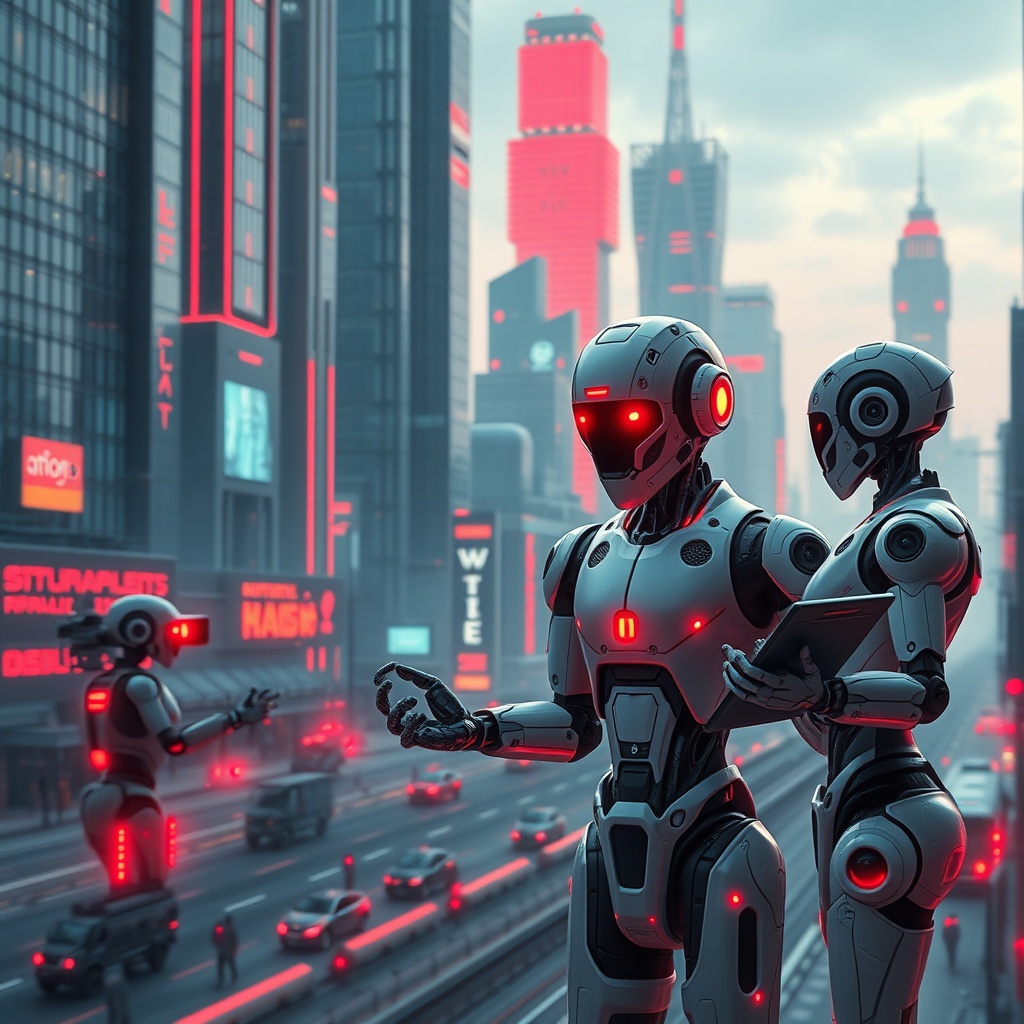
안녕하세요, 23년 차 IT 기획 팀장이자 전문 테크 리포터, 상훈입니다. 🎤 라스베이거스의 뜨거운 열기 속에서 펼쳐진 CES 2026, 이번 전시회에서 제가 가장 주목한 키워드 중 하나는 바로 '로봇의 민주화'였습니다. 과거에는 전문가의 영역이었던 로봇 제어와 프로그래밍이 이제는 비전문가도 쉽게 로봇을 '교육'시킬 수 있는 단계에 접어들었는데요. 오늘은 이 혁신의 중심에 있는 로봇 SDK(Software Development Kit)의 확산과 그것이 우리 비즈니스와 일상에 미칠 영향에 대해 깊이 있게 분석해보고자 합니다. 코딩 없이 로봇을 활용하는 시대, 함께 탐험해볼까요? 🚀
1. 개념 소개: 로봇 SDK란 무엇이며 왜 중요해졌는가? 💡
로봇 SDK는 쉽게 말해 '로봇을 위한 소프트웨어 개발 도구 모음'입니다. 프로그래머들이 특정 로봇 하드웨어와 상호작용하고, 로봇의 움직임이나 인지 기능을 제어하는 애플리케이션을 만들 수 있도록 미리 정의된 함수, 라이브러리, API 등을 제공하죠. 전통적으로 로봇 프로그래밍은 고도의 전문 지식과 시간이 필요한 작업이었습니다. 그러나 최근 AI 기술과 클라우드 기반 플랫폼의 발전으로, SDK는 더욱 사용자 친화적이고 직관적인 형태로 진화했습니다. 마치 스마트폰 앱 개발 키트가 누구나 앱을 만들 수 있게 한 것처럼, 로봇 SDK는 이제 비전문가도 로봇의 행동을 '설정'하고 '교육'할 수 있도록 돕는 핵심 도구가 되고 있습니다.
제가 현장에서 주목한 것은, 이러한 SDK가 단순한 코딩 도구를 넘어 로봇 활용의 진입 장벽을 낮추는 혁신적인 변화를 이끌고 있다는 점입니다. 이는 로봇 기술이 특정 산업이나 대기업에만 머물지 않고, 중소기업, 스타트업, 심지어 개인에게까지 확산될 수 있는 강력한 기반을 제공합니다.
2. CES 2026에 소개된 혁신적인 로봇 SDK 기술들 🤖
이번 CES 2026에서는 'Robotics for everyone'이라는 주제 아래, 다양한 기업들이 로봇 SDK를 활용한 솔루션들을 선보였습니다. 특히 인상 깊었던 몇 가지를 꼽자면 다음과 같습니다.
- Visual Programming Interface (VPI) 기반 SDK: 기존의 텍스트 코딩 대신, 블록 형태의 시각적 요소들을 드래그 앤 드롭 방식으로 연결하여 로봇의 동작 흐름을 직관적으로 설계할 수 있는 SDK가 대거 등장했습니다. 예를 들어, 'XYZ Robotics'는 물류 로봇에 적용되는 VPI SDK를 시연하며, 물류 창고 관리자가 몇 번의 클릭만으로 로봇의 이동 경로와 작업 순서를 변경하는 모습을 보여주었습니다.
- 클라우드 기반 협동 로봇(Cobot) SDK: 'ConnectBot'과 같은 스타트업은 클라우드 환경에서 여러 대의 협동 로봇을 동시에 제어하고 학습시킬 수 있는 SDK를 선보였습니다. 이는 개별 로봇에 직접 프로그래밍할 필요 없이, 중앙 시스템에서 로봇 군집의 행동 패턴을 설정하고 배포할 수 있게 하여 생산 라인의 유연성을 극대화합니다.
- AI 기반 로봇 교육 SDK: 'SenseBot AI'는 로봇이 카메라와 센서를 통해 주변 환경을 인식하고, 사용자가 원하는 동작을 시연하면 AI가 이를 학습하여 로봇 스스로 해당 동작을 수행하도록 하는 SDK를 공개했습니다. 이는 '코딩 없는 로봇 교육'의 정수를 보여주는 사례였습니다.
이러한 SDK들은 단순히 편의성을 넘어, 로봇의 활용 범위를 상상 이상의 영역으로 확장시키고 있습니다. 이제 로봇은 더 이상 정해진 프로그램만 반복하는 기계가 아니라, 사용자의 의도를 학습하고 변화에 적응하는 '지능형 도구'로 진화하고 있습니다.
3. 최신 트렌드: 로봇 SDK가 바꾸는 소프트웨어 생태계 ⚙️
로봇 SDK의 확산은 단순히 로봇 제어를 쉽게 만드는 것을 넘어, 전체 소프트웨어 생태계에 지각 변동을 일으키고 있습니다.
- 'Low-Code/No-Code' 로봇 개발의 대중화: 기존 소프트웨어 개발 분야에서 불었던 로우코드/노코드 바람이 로봇 분야에도 강력하게 불고 있습니다. 이는 전문 개발자가 아닌 현업 실무자들도 자신들의 필요에 맞춰 로봇 기능을 빠르게 구현하고 테스트할 수 있게 합니다.
- 오픈소스 로봇 플랫폼의 성장: ROS(Robot Operating System)와 같은 오픈소스 플랫폼은 수많은 개발자들이 참여하여 다양한 라이브러리와 도구를 만들어내고 있으며, 이러한 생태계가 더욱 강력한 SDK 개발의 기반이 됩니다. 이번 CES에서는 ROS 2.0 기반의 상용 SDK들이 특히 주목받았습니다.
- 서비스형 로봇(RaaS) 모델 가속화: SDK의 발전은 로봇 하드웨어를 직접 구매하기 어려운 기업들도 구독형 서비스(RaaS)로 로봇 기능을 활용할 수 있도록 돕습니다. 소프트웨어적으로 로봇의 행동을 커스터마이징할 수 있게 되면서, RaaS 모델은 더욱 다양한 산업 분야로 확장될 것입니다.
로봇 SDK는 진입 장벽을 낮추지만, 여전히 로봇 하드웨어의 한계와 복잡한 환경에서의 안정성 문제는 존재합니다. SDK를 활용하더라도, 실제 현장 적용 시에는 충분한 테스트와 검증 과정이 필수적입니다.
4. 의미와 시사점: 비즈니스와 일상의 변화 📊
로봇 SDK의 확산은 단순히 기술적 발전을 넘어, 우리 비즈니스와 일상에 다음과 같은 중대한 변화를 가져올 것입니다.
- 생산성 혁신: 복잡한 작업 과정을 로봇으로 자동화하는 것이 훨씬 쉬워지면서, 제조업, 물류, 서비스 등 다양한 산업 분야에서 생산성 향상을 기대할 수 있습니다. 특히 숙련공 부족 문제 해결에 기여할 것입니다.
- 새로운 비즈니스 기회 창출: 로봇의 접근성이 높아지면서, 맞춤형 로봇 솔루션 개발, 로봇 교육 서비스, 로봇 애플리케이션 마켓플레이스 등 새로운 비즈니스 모델이 꽃피울 것입니다.
- 인력 재편 및 교육의 중요성: 로봇이 반복적이고 위험한 업무를 대체함에 따라, 인간은 더욱 창의적이고 전략적인 업무에 집중할 수 있게 됩니다. 동시에 로봇을 효과적으로 '교육'하고 '관리'하는 새로운 역량이 중요해질 것입니다.
- 개인의 로봇 활용 시대 개막: 가정용 서비스 로봇이나 개인 보조 로봇이 더욱 똑똑하고 유연하게 우리 생활에 통합될 수 있는 기반을 마련합니다.
로봇 SDK는 기술 장벽을 넘어선 혁신을 가능하게 합니다. 이는 곧, 아이디어와 문제 해결 능력만 있다면 누구나 로봇을 통해 가치를 창출할 수 있는 시대로의 전환을 의미합니다. 우리 모두 '로봇 교육자'가 될 준비를 해야 합니다.
5. 업무 활용 팁/예시: 로봇 SDK, 우리 회사에 어떻게 적용할까? 🚀
그렇다면 이 혁신적인 로봇 SDK를 우리 비즈니스에 어떻게 적용할 수 있을까요? IT 기획 팀장으로서 몇 가지 실질적인 팁을 드립니다.
| 영역 | 업무 활용 팁/예시 |
|---|---|
| 제조 및 생산 | 조립 라인의 특정 부품 검사 또는 정렬 작업에 협동 로봇 도입. 현장 작업자가 SDK를 활용하여 로봇의 움직임을 재교육, 생산 품목 변경 시 빠른 대응 가능. |
| 물류 및 창고 관리 | 자율 이동 로봇(AMR)이 창고 내에서 상품을 피킹하고 운반하는 경로를, 물류 관리자가 직관적인 UI 기반 SDK로 최적화. 계절별 수요 변화에 따른 유연한 로봇 배치 및 임무 재설정. |
| 서비스 및 리테일 | 매장 내 안내 로봇이 특정 프로모션 정보를 홍보하거나, 고객 동선을 파악하여 맞춤형 서비스를 제공. 마케팅 담당자가 코딩 없이 로봇의 대화 스크립트와 행동 패턴을 업데이트. |
| 연구 개발 (R&D) | 새로운 로봇 프로토타입 개발 시, SDK를 활용하여 빠르게 기능을 테스트하고 반복적인 실험 과정을 자동화. 개발 주기를 단축하고 아이디어 검증 속도 향상. |
가장 중요한 것은 현업 부서의 요구사항을 IT 부서가 수동적으로 받아들이는 것이 아니라, 현업 부서 스스로 로봇 솔루션을 만들고 개선할 수 있는 환경을 구축하는 것입니다. 이를 위해선 로봇 SDK 교육 프로그램 도입, 로봇 활용 경진대회 개최 등 사내 혁신 문화를 조성하는 노력이 병행되어야 합니다.
이번 CES 2026에서 로봇 SDK가 보여준 잠재력은 엄청났습니다. 코딩 없이 로봇을 교육시키는 시대는 더 이상 먼 미래가 아니라, 바로 지금 우리 눈앞에 펼쳐지고 있습니다. 여러분의 업무 환경에는 어떤 변화가 올까요? 오늘 분석한 기술이 여러분께 새로운 영감이 되었기를 바랍니다. 다음 CES 리포트에서는 '모빌리티'의 혁신을 다루겠습니다! 🎡
English Content 🇬🇧
Hello, I'm Sanghoon, a 23-year IT planning team leader and professional tech reporter. 🎤 Amidst the vibrant energy of Las Vegas, CES 2026 unfolded, and one of the keywords I focused on most was the 'democratization of robotics.' What was once the exclusive domain of experts – robot control and programming – has now reached a stage where non-experts can easily 'teach' robots. Today, I'd like to deeply analyze the proliferation of Robot SDKs (Software Development Kits) at the heart of this innovation and its impact on our businesses and daily lives. Shall we explore the era of utilizing robots without coding? 🚀
1. Introduction to Concept: What is Robot SDK and Why Has It Become Important? 💡
A Robot SDK is essentially a 'collection of software development tools for robots.' It provides pre-defined functions, libraries, and APIs that allow programmers to interact with specific robot hardware and create applications that control the robot's movements or cognitive functions. Traditionally, robot programming required highly specialized knowledge and significant time. However, with the recent advancements in AI technology and cloud-based platforms, SDKs have evolved into more user-friendly and intuitive forms. Much like smartphone app development kits enabled anyone to create apps, Robot SDKs are now becoming a core tool that helps non-experts 'configure' and 'teach' robot behaviors.
What I observed on the ground is that these SDKs are not just about convenience; they are driving a revolutionary change by lowering the barrier to entry for robot utilization. This provides a powerful foundation for robot technology to spread beyond specific industries or large corporations to SMEs, startups, and even individuals.
2. Innovative Robot SDK Technologies Introduced at CES 2026 🤖
At CES 2026, under the theme 'Robotics for Everyone,' various companies showcased solutions leveraging Robot SDKs. Here are a few particularly impressive examples:
- Visual Programming Interface (VPI)-based SDKs: Many SDKs emerged that allow intuitive design of robot operation flows by dragging and dropping visual blocks instead of traditional text-based coding. For example, 'XYZ Robotics' demonstrated a VPI SDK applied to logistics robots, showing how a warehouse manager could change robot paths and task sequences with just a few clicks.
- Cloud-based Collaborative Robot (Cobot) SDKs: Startups like 'ConnectBot' showcased SDKs that can simultaneously control and teach multiple collaborative robots in a cloud environment. This maximizes production line flexibility by allowing centralized system control and deployment of robot swarm behavior patterns, without needing to program each robot individually.
- AI-based Robot Training SDKs: 'SenseBot AI' introduced an SDK that enables robots to perceive their environment through cameras and sensors, and for the AI to learn a desired action demonstrated by the user, allowing the robot to perform that action autonomously. This was a prime example of 'coding-free robot training.'
These SDKs go beyond mere convenience, expanding the scope of robot utilization beyond imagination. Robots are no longer just machines repeating pre-set programs but are evolving into 'intelligent tools' that learn user intentions and adapt to change.
3. Latest Trends: How Robot SDKs are Changing the Software Ecosystem ⚙️
The proliferation of Robot SDKs is not just making robot control easier; it's causing a paradigm shift across the entire software ecosystem.
- Popularization of 'Low-Code/No-Code' Robot Development: The low-code/no-code movement, which swept through traditional software development, is now strongly influencing the robotics sector. This enables even non-developer field practitioners to quickly implement and test robot functionalities tailored to their specific needs.
- Growth of Open-Source Robot Platforms: Open-source platforms like ROS (Robot Operating System) see numerous developers contributing to create various libraries and tools, and this ecosystem forms the basis for even more powerful SDK development. At this CES, commercial SDKs based on ROS 2.0 garnered particular attention.
- Acceleration of Robot-as-a-Service (RaaS) Model: The advancement of SDKs helps companies that cannot afford to purchase robot hardware outright to utilize robot functionalities through subscription services (RaaS). As robots' behaviors can be customized through software, the RaaS model is expected to expand into more diverse industrial sectors.
While Robot SDKs lower barriers to entry, limitations of robot hardware and stability issues in complex environments still exist. Even with SDKs, thorough testing and validation are essential for real-world application.
4. Meaning and Implications: Changes in Business and Daily Life 📊
The proliferation of Robot SDKs goes beyond mere technological advancement, bringing significant changes to our businesses and daily lives as follows:
- Productivity Innovation: With easier automation of complex tasks by robots, we can expect productivity improvements across various industries such as manufacturing, logistics, and services. It will particularly contribute to solving the skilled labor shortage problem.
- Creation of New Business Opportunities: As robot accessibility increases, new business models will flourish, including custom robot solution development, robot training services, and robot application marketplaces.
- Workforce Reorganization and Importance of Education: As robots replace repetitive and dangerous tasks, humans can focus more on creative and strategic work. Simultaneously, new competencies in effectively 'teaching' and 'managing' robots will become crucial.
- Dawn of Personal Robot Utilization: This lays the groundwork for household service robots or personal assistant robots to be more intelligently and flexibly integrated into our lives.
Robot SDKs enable innovation beyond technological barriers. This means a transition to an era where anyone with an idea and problem-solving skills can create value through robots. We all need to prepare to become 'robot educators.'
5. Business Application Tips/Examples: How Can We Apply Robot SDKs in Our Company? 🚀
So, how can we apply these innovative Robot SDKs to our business? As an IT planning team leader, I offer a few practical tips.
| Area | Business Application Tip/Example |
|---|---|
| Manufacturing and Production | Introduce collaborative robots for specific part inspection or sorting tasks on assembly lines. On-site workers re-train robot movements using SDKs, allowing quick adaptation to changes in production items. |
| Logistics and Warehouse Management | Logistics managers optimize the paths of Autonomous Mobile Robots (AMRs) for picking and transporting goods within a warehouse using intuitive UI-based SDKs. Flexible robot deployment and mission re-configuration based on seasonal demand changes. |
| Service and Retail | In-store guidance robots promote specific promotions or provide personalized services by understanding customer traffic. Marketing personnel update robot conversation scripts and behavior patterns without coding. |
| Research and Development (R&D) | When developing new robot prototypes, use SDKs to quickly test functionalities and automate repetitive experimental processes. Shorten development cycles and accelerate idea validation. |
The most important thing is not for IT departments to passively accept requirements from operational departments, but to build an environment where operational departments themselves can create and improve robot solutions. To achieve this, efforts to foster an internal innovation culture, such as introducing robot SDK training programs and holding robot utilization competitions, must be pursued in parallel.
The potential demonstrated by Robot SDKs at CES 2026 was immense. The era of teaching robots without coding is no longer a distant future; it is unfolding right before our eyes. What changes will come to your work environment? I hope today's analysis of this technology has provided you with new inspiration. In the next CES report, we will cover innovations in 'Mobility'! 🎡
댓글
댓글 쓰기