[CES 2026]16. 중국 지커(Zeekr) 9X의 습격: 글로벌 자율주행 시장의 격돌 (The Zeekr 9X Assault: Global Autonomous Driving Market Clash)
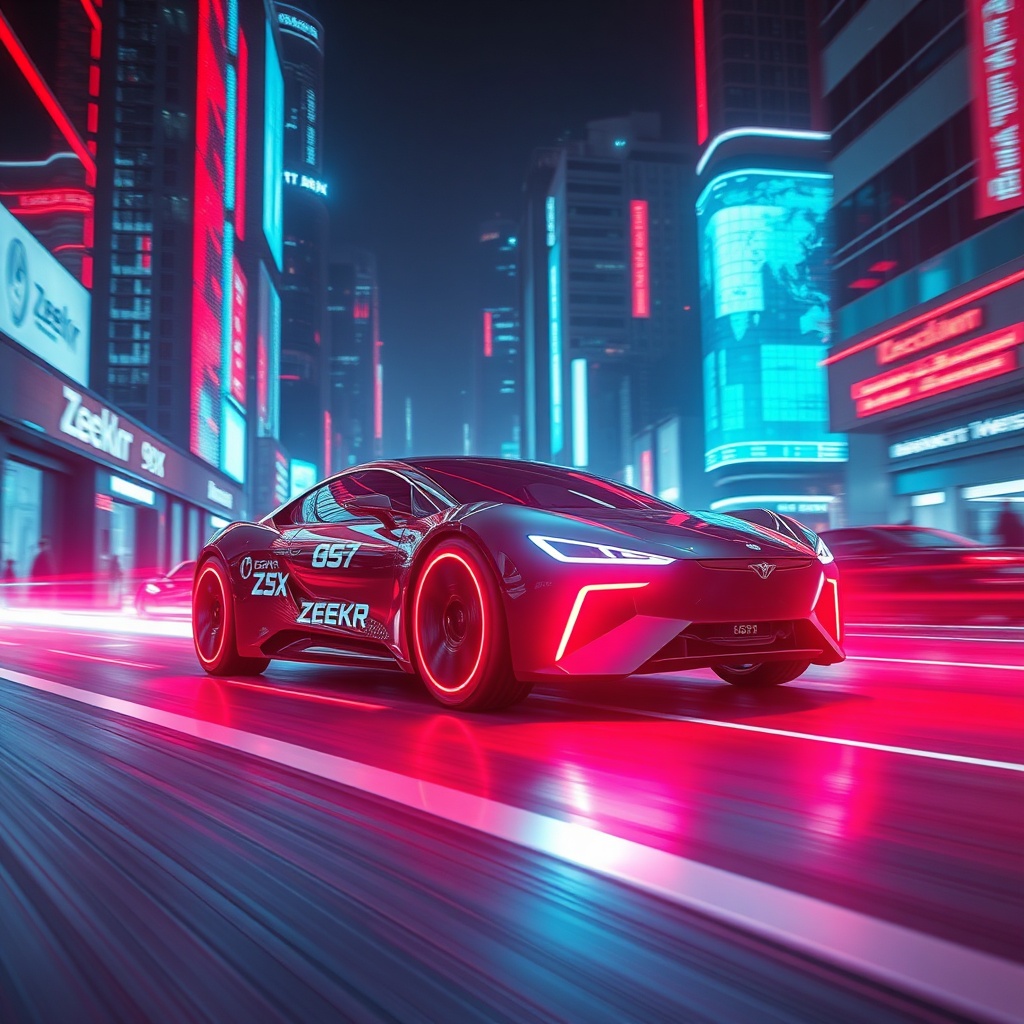
라스베이거스의 열기는 여전히 뜨겁습니다. 🎤 이번 CES 2026에서 가장 큰 파란을 일으킨 것 중 하나는 바로 중국 모빌리티 기업들의 약진, 특히 지커(Zeekr) 9X의 등장이었습니다. 단순히 '또 하나의 전기차'를 넘어, 강력한 AI 기술력을 전면에 내세우며 글로벌 자율주행 시장의 판도를 뒤흔들겠다는 야심을 드러냈죠. 💡 23년 차 IT 기획 팀장으로서 제가 현장에서 목격한 지커 9X의 저력과 이것이 한국 및 글로벌 시장에 던지는 시사점을 명쾌하게 리포트해 드리겠습니다.
1. 지커(Zeekr) 9X, 모빌리티 시장의 게임 체인저? 개념 소개 🚗
지커 9X는 지리자동차(Geely) 산하 프리미엄 전기차 브랜드 지커가 선보인 럭셔리 MPV입니다. 단순한 이동 수단을 넘어, 최첨단 AI 기반 자율주행 기술과 스마트 코스모스(Smart Cosmos) 생태계를 통합하여 사용자에게 ‘미래형 모빌리티 경험’을 제공하겠다는 비전을 가지고 있죠. 특히 자율주행 부문에서는 하드웨어와 소프트웨어의 긴밀한 통합을 통해 경쟁사들을 위협하는 수준의 완성도를 목표로 합니다. 이는 단순히 자동차 제조사를 넘어, 기술 플랫폼 기업으로서의 지위를 강화하려는 중국 기업들의 전략을 단적으로 보여주는 사례입니다.
2. CES 2026에서 공개된 지커 9X의 AI 자율주행 기술 💡
이번 CES 2026에서 지커는 9X 모델을 필두로 자사의 자율주행 기술력을 대대적으로 선보였습니다. 특히 주목할 점은 고성능 컴퓨팅 플랫폼과 자체 개발 AI 알고리즘의 결합이었습니다. CES 현장 시연에서는 복잡한 도심 환경에서의 정교한 차선 유지, 능동형 장애물 회피, 그리고 운전자의 개입을 최소화하는 자동 주차 기능 등이 부각되었습니다. 또한, 탑승자의 습관과 선호도를 학습하여 최적의 주행 경로와 인포테인먼트 경험을 제공하는 개인화된 AI 비서 기능도 선보여, 단순 자율주행을 넘어 'AI 드라이버'라는 개념에 한 발 더 다가섰다는 평가를 받았습니다.
지커 9X는 단순한 자율주행 레벨 상향을 넘어, 차량 내부의 모든 경험을 AI로 통합하려는 시도를 보여줬습니다. 이는 '움직이는 스마트 디바이스'로서의 자동차의 미래를 제시하며, 테슬라와 같은 선두 주자들과 다른 방향의 경쟁 포인트를 만들어내고 있습니다.
3. 글로벌 시장을 뒤흔드는 중국 모빌리티의 최신 트렌드 🌍
지커 9X의 등장은 최근 중국 모빌리티 기업들의 공격적인 글로벌 시장 진출 트렌드와 맥을 같이 합니다. 과거 '가성비'에 집중했던 중국차는 이제 '고급화'와 '기술 집약'이라는 전략으로 선회했습니다. 화웨이, 바이두 등 중국 IT 공룡들이 자체 개발한 AI 칩과 소프트웨어 솔루션을 앞세워 자동차 제조사들과 협력하며 자율주행 기술 발전을 가속화하는 것이 대표적입니다. 이들은 내수 시장에서의 방대한 데이터 축적과 정부의 강력한 지원을 발판 삼아, 유럽, 동남아를 넘어 이제는 한국 시장까지도 노리고 있습니다. 특히 데이터 기반의 AI 학습 능력은 기존 레거시 자동차 제조사들이 따라잡기 힘든 속도를 보여주고 있습니다.
4. 한국 및 글로벌 자율주행 시장에 던지는 의미와 시사점 📈
지커 9X와 같은 중국발 자율주행 기술의 약진은 한국과 글로벌 시장에 여러 가지 중요한 시사점을 던집니다. 첫째, 경쟁 심화와 패러다임 변화입니다. 기존 자동차 강국들은 이제 중국의 빠른 기술 추격에 대응해야 하는 상황에 놓였습니다. 단순히 하드웨어 우위를 넘어, AI 소프트웨어와 데이터 플랫폼 역량이 핵심 경쟁력으로 부상하고 있습니다. 둘째, 공급망 재편 가능성입니다. 중국은 자율주행에 필요한 핵심 반도체 및 센서 분야에서도 자체 기술력을 강화하고 있어, 미래에는 특정 부품의 대중 의존도가 심화될 수 있습니다. 셋째, 보안 및 데이터 주권 이슈입니다. 차량이 수집하는 방대한 데이터의 관리 및 활용 방식은 국가 안보와도 직결될 수 있어, 이 부분에 대한 전략적 접근이 필수적입니다.
| 주요 시사점 | 세부 내용 |
|---|---|
| 기술 경쟁 심화 | AI 소프트웨어 및 데이터 기반 경쟁력 강조. |
| 공급망 재편 | 중국 자체 기술력 강화로 인한 의존도 변화. |
| 데이터 주권 및 보안 | 차량 데이터 관리 및 국가 안보의 중요성 증대. |
중국 모빌리티 기업들의 '속도'는 위협적이지만, 글로벌 시장에서의 브랜드 신뢰도, 개인 정보 보호에 대한 인식, 그리고 규제 환경에 대한 적응력은 아직 검증이 필요합니다. 섣부른 낙관론이나 비관론보다는 냉철한 분석과 전략적 대응이 중요합니다.
5. 우리 비즈니스와 일상에의 업무 활용 팁 🚀
그렇다면 이러한 트렌드를 우리 비즈니스와 개인의 성장에 어떻게 활용할 수 있을까요?
첫째, 전략적 파트너십 모색입니다. 중국 기업의 기술력은 인정하되, 특정 분야에서는 협력을 통해 윈-윈 전략을 구사하는 방안을 고민해야 합니다. 특히 자율주행 소프트웨어, AI 칩 분야에서 국내 기업들이 경쟁 우위를 확보할 수 있는 니치마켓을 발굴하는 것이 중요합니다.
둘째, 데이터 기반 혁신 가속화입니다. 자율주행의 핵심은 데이터입니다. 국내 기업들도 다양한 데이터를 수집, 분석, 학습하여 자율주행 알고리즘을 고도화하는 데 집중해야 합니다. 이는 새로운 서비스 모델 개발로 이어질 수 있습니다.
셋째, 규제 및 보안 환경 변화에 대한 선제적 대응입니다. 각국 정부의 자율주행 관련 법규 및 데이터 관리 정책 변화를 면밀히 주시하고, 이에 맞는 사업 전략과 기술 개발 방향을 수립해야 합니다.
개인적으로는 이러한 기술 변화를 이해하고 자신의 분야에 접목하려는 노력이 중요합니다. 예를 들어, 모빌리티 서비스 기획자라면 중국 모빌리티 기업들의 서비스 디자인과 사용자 경험 전략을 분석하여 우리 시장에 맞는 차별화 요소를 찾는 데 활용할 수 있겠죠. 영업/마케팅 담당자는 변화하는 시장 동향을 이해하고 새로운 고객 세그먼트를 발굴하는 데 이 인사이트를 적용할 수 있습니다.
이번 CES 2026에서 지커 9X가 보여준 모습은 단순히 중국 자동차의 발전이 아닌, 'AI 에브리싱' 시대의 모빌리티가 어떤 모습으로 진화할지를 예고하는 강력한 신호탄이었습니다. 여러분의 비즈니스 환경에는 어떤 변화가 오고 있을까요? 오늘 분석한 기술이 여러분께 새로운 영감이 되었기를 바랍니다. 다음 CES 리포트에서는 '로보틱스 포 에브리원'의 혁신적인 진화를 다루겠습니다! 🤖
The fervor of Las Vegas is still palpable. 🎤 One of the biggest sensations at CES 2026 was the rise of Chinese mobility companies, particularly the emergence of Zeekr 9X. Beyond just "another electric vehicle," it boldly showcased powerful AI technology, signaling its ambition to reshape the global autonomous driving market. 💡 As an IT planning team leader with 23 years of experience, I will clearly report on the potential of Zeekr 9X as witnessed on-site and its implications for the Korean and global markets.
1. Zeekr 9X, A Game Changer in the Mobility Market? Concept Introduction 🚗
Zeekr 9X is a luxury MPV introduced by Zeekr, a premium electric vehicle brand under Geely Auto. It aims to go beyond mere transportation, integrating cutting-edge AI-based autonomous driving technology and the Smart Cosmos ecosystem to provide users with a 'future-oriented mobility experience'. Particularly in autonomous driving, it targets a level of completeness that threatens competitors through tight integration of hardware and software. This is a clear example of Chinese companies' strategy to strengthen their position as technology platform providers, rather than just automobile manufacturers.
2. Zeekr 9X's AI Autonomous Driving Technology Unveiled at CES 2026 💡
At CES 2026, Zeekr extensively showcased its autonomous driving capabilities, spearheaded by the 9X model. A particularly noteworthy aspect was the combination of a high-performance computing platform and proprietary AI algorithms. On-site demonstrations at CES highlighted precise lane keeping in complex urban environments, active obstacle avoidance, and automated parking functions that minimize driver intervention. Furthermore, it presented personalized AI assistant features that learn driver habits and preferences to provide optimal routes and infotainment experiences, earning recognition for moving closer to the concept of an 'AI Driver' beyond simple autonomous driving.
Zeekr 9X demonstrated an attempt to integrate all in-car experiences with AI, beyond merely upgrading autonomous driving levels. This suggests the future of cars as 'moving smart devices,' creating a different competitive edge from leading players like Tesla.
3. The Latest Trend of Chinese Mobility Shaking the Global Market 🌍
The emergence of Zeekr 9X aligns with the recent trend of aggressive global market entry by Chinese mobility companies. Chinese cars, which previously focused on 'cost-effectiveness,' have now shifted to strategies of 'premiumization' and 'technology intensification'. A prime example is the collaboration between Chinese IT giants like Huawei and Baidu with automotive manufacturers, leveraging their self-developed AI chips and software solutions to accelerate autonomous driving technology. With vast data accumulation in their domestic market and strong government support, they are now targeting markets in Europe, Southeast Asia, and even Korea. Their data-driven AI learning capabilities, in particular, show a speed that legacy automotive manufacturers struggle to match.
4. Meaning and Implications for the Korean and Global Autonomous Driving Markets 📈
The rise of Chinese autonomous driving technology like Zeekr 9X presents several important implications for the Korean and global markets. First, increased competition and paradigm shift. Established automotive powerhouses are now faced with the challenge of responding to China's rapid technological pursuit. Beyond hardware superiority, AI software and data platform capabilities are emerging as core competitive advantages. Second, potential supply chain realignment. China is strengthening its independent technological capabilities in key semiconductor and sensor areas essential for autonomous driving, which could lead to increased reliance on China for specific components in the future. Third, security and data sovereignty issues. The management and utilization of vast data collected by vehicles can directly impact national security, making a strategic approach to this area essential.
| Key Implications | Details |
|---|---|
| Intensified Tech Competition | Emphasis on AI software and data-driven competitiveness. |
| Supply Chain Realignment | Changes in dependency due to China's enhanced technological capabilities. |
| Data Sovereignty & Security | Increased importance of vehicle data management and national security. |
While the 'speed' of Chinese mobility companies is threatening, their brand credibility in the global market, awareness of personal data protection, and adaptability to regulatory environments still need verification. Rather than premature optimism or pessimism, a cool-headed analysis and strategic response are crucial.
5. Business Application Tips for Our Businesses and Daily Lives 🚀
So, how can we leverage these trends for our businesses and personal growth?
First, explore strategic partnerships. While acknowledging Chinese companies' technological prowess, we should consider win-win strategies through collaboration in specific areas. It's especially important to identify niche markets where domestic companies can gain a competitive advantage in autonomous driving software and AI chips.
Second, accelerate data-driven innovation. The core of autonomous driving is data. Domestic companies must focus on collecting, analyzing, and learning from diverse data to advance autonomous driving algorithms. This can lead to the development of new service models.
Third, proactive response to changes in regulation and security environment. Closely monitor changes in autonomous driving laws and data management policies in various countries, and establish business strategies and technology development directions accordingly.
On a personal level, it is important to understand these technological changes and integrate them into one's field. For example, a mobility service planner could analyze the service design and user experience strategies of Chinese mobility companies to find differentiating factors suitable for our market. Sales/marketing personnel can apply this insight to understand changing market trends and discover new customer segments.
What Zeekr 9X showcased at CES 2026 was not just the advancement of Chinese automobiles, but a powerful signal anticipating how mobility will evolve in the era of 'AI Everything'. What changes are coming to your business environment? I hope today's analysis has provided you with new inspiration. In the next CES report, we will cover the revolutionary evolution of 'Robotics for Everyone'! 🤖
댓글
댓글 쓰기