[CES 2026]18. LG이노텍 자율주행 콘셉트카: 센서 융합 기술의 결정체로 미래 모빌리티를 엿보다 (LG Innotek Autonomous Concept Car: A Glimpse into Future Mobility with Sensor Fusion Technology)
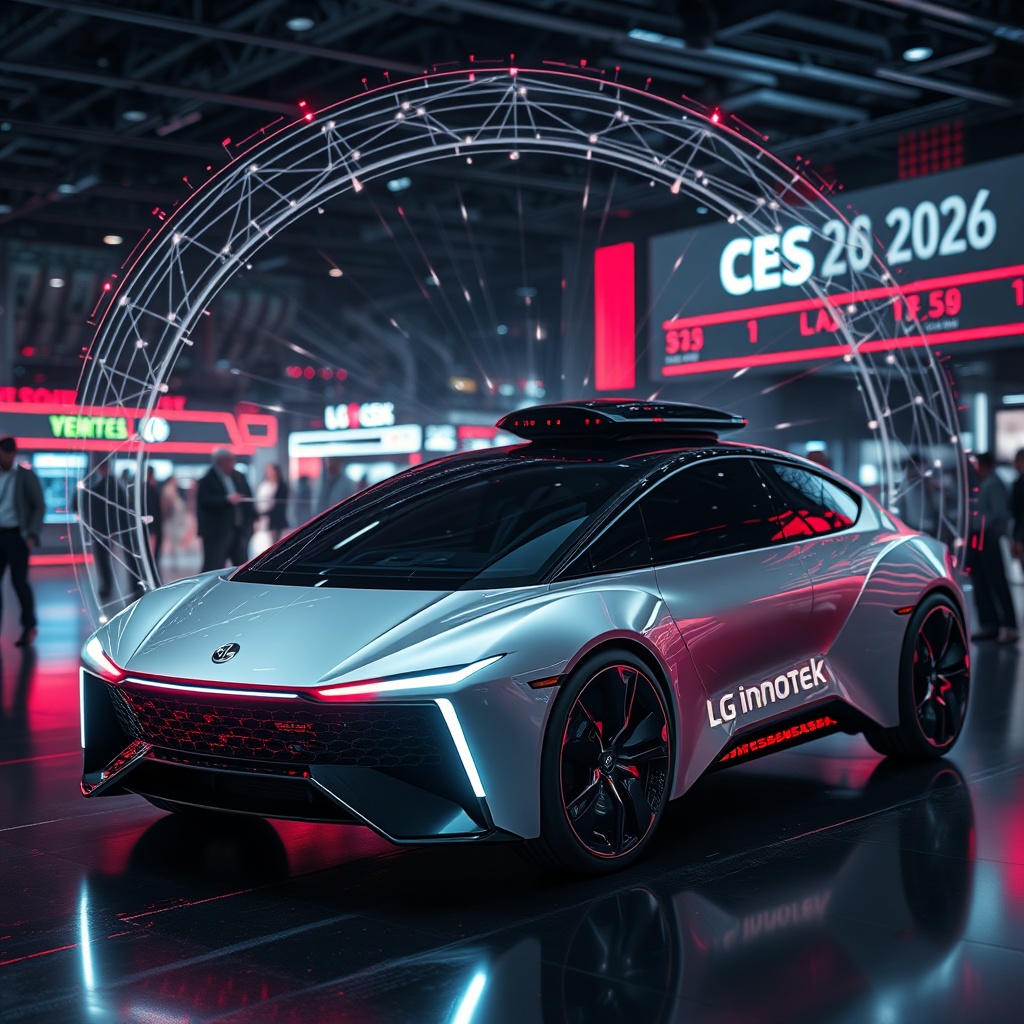
라스베이거스의 뜨거운 열기 속에 펼쳐진 CES 2026 현장, 제가 가장 주목했던 부스 중 하나는 바로 LG이노텍이 선보인 자율주행 콘셉트카였습니다. 🎤 단순한 하드웨어 전시를 넘어, 미래 모빌리티의 방향성을 명확히 제시한 이 콘셉트카는 '센서 융합'이라는 키워드를 통해 안전과 효율성의 새 지평을 열었는데요. 🚀 오늘은 IT 기획 팀장의 관점에서, 이 혁신적인 기술이 우리 비즈니스와 일상에 어떤 변화를 가져올지 심층적으로 분석해보겠습니다.
1. 개념 소개: 센서 융합 기술이란? 💡
자율주행의 핵심은 주변 환경을 정확하게 인지하고 판단하는 능력에 있습니다. 이를 위해 자동차에는 다양한 센서들이 탑재되죠. 예를 들어, 라이다(LiDAR)는 3D 공간 정보를 정밀하게 측정하고, 레이더(Radar)는 악천후에도 원거리 물체 감지에 강하며, 카메라는 색상과 텍스처를 파악하는 데 특화되어 있습니다. 하지만 각각의 센서는 고유의 강점과 약점을 가지고 있어, 단일 센서만으로는 완벽한 인지가 어렵습니다. 여기서 필요한 것이 바로 센서 융합(Sensor Fusion) 기술입니다. 여러 센서에서 얻은 데이터를 실시간으로 결합하고 분석하여, 주변 환경에 대한 훨씬 더 정확하고 신뢰성 높은 정보를 얻는 것이죠. 마치 여러 명의 전문가가 각자의 정보를 모아 하나의 완벽한 그림을 그리는 것과 같습니다.
2. CES 2026의 LG이노텍: 자율주행 콘셉트카의 혁신 🚀
이번 CES 2026에서 LG이노텍이 선보인 자율주행 콘셉트카는 이러한 센서 융합 기술의 정수를 보여주었습니다. 특히 인상 깊었던 점은 라이다, 레이더, 카메라 모듈이 하나의 소형 부품으로 통합되어 차량에 장착된 모습이었습니다. 기존에는 각 센서가 개별적으로 존재하며 복잡한 시스템 구성을 필요로 했지만, LG이노텍은 이를 '원 팩(One-Pack) 솔루션'으로 제공하여 공간 효율성을 극대화하고 비용을 절감하는 동시에, 데이터 처리의 지연을 최소화했습니다. 부품 기술의 진보가 어떻게 자율주행의 '사고율 0%'라는 궁극적인 목표에 한 발짝 더 다가서게 하는지 명확히 보여주는 사례였습니다. 실제로 콘셉트카 시연에서는 어떤 돌발 상황에서도 완벽하게 주변을 인지하고 반응하는 모습을 볼 수 있었습니다.
3. 최신 트렌드: '제로 사고'를 향한 부품 기술의 진보 📈
LG이노텍의 사례는 단순히 하나의 제품을 넘어, 자율주행 부품 시장의 거대한 트렌드를 반영합니다. 과거에는 센서 개별 성능 향상에 집중했다면, 이제는 센서 간의 유기적인 통합과 여기서 발생하는 시너지 효과에 더욱 주목하고 있습니다. 인공지능 기반의 엣지 컴퓨팅 기술이 센서 모듈 내부에 탑재되어, raw 데이터를 차량 중앙 시스템으로 보내기 전에 1차적으로 분석하고 의미 있는 정보만 전달함으로써 데이터 전송 부하를 줄이고 반응 속도를 높이는 추세입니다. 이는 레벨 3 이상의 고도 자율주행을 현실화하는 데 필수적인 요소이며, '인지-판단-제어'로 이어지는 자율주행 프로세스의 신뢰도를 비약적으로 끌어올리고 있습니다. 저는 이러한 통합 솔루션이 미래 자동차 시장의 게임 체인저가 될 것이라고 확신합니다.
| 구분 | 기존 개별 센서 방식 | 통합 센서 융합 방식 |
|---|---|---|
| 데이터 처리 | 각 센서 데이터 개별 전송 후 중앙 처리 | 모듈 내 1차 융합 및 가공 후 전송 (엣지 컴퓨팅) |
| 장착 공간 | 각 센서별 독립적 공간 필요 | 소형화, 일체형으로 공간 효율 극대화 |
| 신뢰성/정확도 | 개별 센서의 한계 및 상호 보완의 어려움 | 다중 정보 교차 검증으로 오류 최소화, 전천후 인지 능력 |
4. 의미와 시사점: 비즈니스와 일상에 미칠 영향 🌐
LG이노텍의 센서 융합 기술은 단순히 자동차 부품의 발전을 넘어, 광범위한 비즈니스 및 사회적 파급 효과를 예고합니다. 🚗
- 안전성 극대화 및 보험 산업 변화: 사고율 '0%'에 근접하는 자율주행차는 운전자와 보행자의 안전을 획기적으로 향상시킬 것입니다. 이는 자동차 보험 상품의 구조 자체를 변화시키고, 보험사의 리스크 관리 전략에도 영향을 줄 수 있습니다.
- 물류 및 운송 혁신: 자율주행 트럭이나 드론에 이 기술이 적용되면, 물류 비용 절감은 물론, 24시간 무정지 운송이 가능해져 공급망 효율성을 극대화할 수 있습니다. 이는 이커머스 시장과 라스트 마일 배송의 새로운 경쟁 구도를 형성할 것입니다.
- 스마트 시티 인프라 확장: 자율주행 차량이 도로의 '움직이는 센서' 역할을 하면서 도시 전체의 교통 흐름을 최적화하고, 돌발 상황을 예측하며 대응하는 스마트 시티 인프라 구축에도 기여할 수 있습니다.
- 새로운 서비스 모델 창출: 완전 자율주행이 보편화되면, 차량 내 엔터테인먼트, 원격 오피스, 이동형 건강 관리 등 다양한 인카(in-car) 서비스 시장이 급부상할 것입니다.
저는 이 기술에서 '하드웨어와 소프트웨어의 경계가 허물어지는 지점'을 보았습니다. 단순히 센서를 잘 만드는 것을 넘어, 센서에서 나오는 데이터를 어떻게 효율적으로 융합하고, AI로 학습시켜 더 나은 판단을 내리게 할 것인가가 핵심 경쟁력이 될 것입니다. 이는 자동차 산업뿐만 아니라 모든 하드웨어 기반 산업에 중요한 시사점을 던집니다.
5. 업무 활용 팁: 우리 비즈니스에 적용하기 💼
그렇다면 우리 비즈니스에 이 센서 융합 기술의 인사이트를 어떻게 적용할 수 있을까요? 제가 IT 기획 팀장으로서 드릴 수 있는 몇 가지 팁입니다.
- 데이터 통합 전략 재정비: 우리 회사의 서비스나 제품이 여러 소스에서 데이터를 얻고 있다면, 이를 어떻게 유기적으로 융합하여 더 높은 가치를 만들 수 있을지 고민해보세요. 예를 들어, 생산 라인의 여러 센서 데이터를 통합하여 불량률 예측 정확도를 높일 수 있습니다.
- '사고 제로' 관점의 리스크 관리: 자율주행차의 '제로 사고' 목표처럼, 우리 업무나 서비스에서도 치명적인 오류를 줄이기 위한 시스템적 접근을 고민해볼 때입니다. AI 기반의 예측 분석 시스템 도입을 고려해보세요.
- 협력 생태계 구축: LG이노텍이 다양한 센서 기술을 통합했듯이, 우리 기업도 핵심 역량 외의 영역은 과감히 외부 전문가나 파트너와 협력하여 더 큰 시너지를 내는 전략이 필요합니다.
- 신규 서비스 모델 발굴: 기존 고객의 '이동 시간'이나 '비가시적 공간'을 활용한 새로운 비즈니스 모델은 없는지 끊임없이 탐색해야 합니다. 자율주행 기술이 열어줄 새로운 사용자 경험에 주목하세요.
센서 융합 기술의 발전은 분명 혁신적이지만, 데이터의 신뢰성, 보안 문제, 그리고 법적/윤리적 책임에 대한 논의도 함께 병행되어야 합니다. 기술 도입 전 이러한 요소들을 면밀히 검토하고 대비하는 것이 중요합니다.
오늘 LG이노텍의 자율주행 콘셉트카를 통해 센서 융합 기술의 현재와 미래를 살펴보았습니다. 💡 '사고율 0%'에 도전하는 이 기술이 여러분의 업무 환경에는 어떤 변화를 가져올까요? 단순히 먼 미래의 이야기가 아닌, 지금 당장 우리 비즈니스 전략에 반영해야 할 핵심 인사이트임을 명심하시기 바랍니다. 다음 CES 리포트에서는 또 다른 혁신 기술, '로보틱스'의 현재와 미래를 심층 분석하겠습니다! 🎡 새로운 영감이 되었기를 바랍니다!
LG Innotek Autonomous Concept Car: A Glimpse into Future Mobility with Sensor Fusion Technology
Amidst the electrifying energy of CES 2026 in Las Vegas, one of the booths that captured my keenest attention was LG Innotek, showcasing their autonomous concept car. 🎤 Going beyond a mere hardware display, this concept car vividly outlined the future direction of mobility. Through the keyword 'Sensor Fusion,' it opened new horizons for safety and efficiency. 🚀 Today, from the perspective of an IT Planning Team Leader, I will deeply analyze how this innovative technology will transform our businesses and daily lives.
1. Concept Introduction: What is Sensor Fusion Technology? 💡
The core of autonomous driving lies in its ability to accurately perceive and interpret the surrounding environment. For this, vehicles are equipped with various sensors. For instance, LiDAR precisely measures 3D spatial information, Radar excels at long-range object detection even in adverse weather, and Cameras specialize in identifying colors and textures. However, each sensor has its unique strengths and weaknesses, making perfect perception challenging with a single sensor. This is where Sensor Fusion technology comes in. By combining and analyzing data obtained from multiple sensors in real-time, it provides much more accurate and reliable information about the surrounding environment. It's like several experts gathering their individual insights to paint one complete and perfect picture.
2. LG Innotek at CES 2026: Innovation of the Autonomous Concept Car 🚀
At CES 2026, LG Innotek's autonomous concept car showcased the epitome of this sensor fusion technology. Particularly impressive was the sight of LiDAR, Radar, and Camera modules integrated into a single compact component installed in the vehicle. While conventional systems required separate sensors and complex configurations, LG Innotek offered a 'One-Pack Solution' that maximized space efficiency, reduced costs, and minimized data processing delays. This perfectly illustrated how advancements in component technology bring us closer to the ultimate goal of '0% accident rate' in autonomous driving. Indeed, during the concept car demonstration, it was able to perfectly perceive and react to any sudden situations.
3. Latest Trend: Advancements in Component Technology Towards 'Zero Accidents' 📈
LG Innotek's example reflects a massive trend in the autonomous driving component market, beyond just a single product. While the past focused on enhancing individual sensor performance, now there's a greater emphasis on organic integration between sensors and the synergistic effects that arise from it. AI-based edge computing technology is being embedded within sensor modules to pre-analyze raw data and transmit only meaningful information to the central vehicle system, thereby reducing data transmission load and increasing reaction speed. This is a crucial element for realizing Level 3 and higher advanced autonomous driving, and it dramatically enhances the reliability of the autonomous driving process, which proceeds from 'perception-judgment-control.' I am confident that such integrated solutions will be a game-changer in the future automotive market.
| Category | Traditional Separate Sensor Approach | Integrated Sensor Fusion Approach |
|---|---|---|
| Data Processing | Individual sensor data transmitted then centrally processed | First fusion & processing within module then transmitted (Edge Computing) |
| Mounting Space | Requires independent space for each sensor | Miniaturized, integrated form factor maximizes space efficiency |
| Reliability/Accuracy | Limitations of individual sensors and difficulty in mutual compensation | Minimizes errors through cross-validation of multiple data points, all-weather perception |
4. Implications and Significance: Impact on Business and Daily Life 🌐
LG Innotek's sensor fusion technology extends beyond mere automotive component advancement, foreshadowing widespread business and societal impacts. 🚗
- Maximized Safety and Insurance Industry Changes: Autonomous vehicles nearing a '0% accident' rate will dramatically enhance the safety of drivers and pedestrians. This could change the very structure of automotive insurance products and influence insurers' risk management strategies.
- Logistics and Transportation Innovation: Applying this technology to autonomous trucks or drones will not only cut logistics costs but also enable 24/7 non-stop transportation, maximizing supply chain efficiency. This will shape new competitive landscapes in the e-commerce and last-mile delivery markets.
- Smart City Infrastructure Expansion: As autonomous vehicles become 'moving sensors' on roads, they can contribute to optimizing urban traffic flow and building smart city infrastructure that predicts and responds to unforeseen situations.
- Creation of New Service Models: With widespread adoption of fully autonomous driving, various in-car service markets will rapidly emerge, including in-vehicle entertainment, mobile offices, and portable health management.
In this technology, I saw the 'blurring lines between hardware and software.' Beyond merely producing good sensors, the key competitiveness will lie in how efficiently data from sensors is fused and how AI is used to learn from it to make better judgments. This offers significant implications not only for the automotive industry but for all hardware-based industries.
5. Business Application Tips: How to Apply to Your Business 💼
So, how can we apply the insights of this sensor fusion technology to our businesses? Here are a few tips I can offer as an IT Planning Team Leader.
- Revise Data Integration Strategy: If your company's services or products obtain data from multiple sources, consider how to organically fuse this data to create higher value. For example, integrate various sensor data from a production line to increase the accuracy of defect rate prediction.
- 'Zero Accident' Risk Management: Like the 'zero accident' goal of autonomous vehicles, it's time to consider a systemic approach to reduce critical errors in our work or services. Think about implementing AI-based predictive analytics systems.
- Build a Collaborative Ecosystem: Just as LG Innotek integrated various sensor technologies, our companies also need a strategy to aggressively collaborate with external experts or partners in areas outside our core competencies to create greater synergy.
- Discover New Service Models: We must continuously explore new business models that utilize existing customers' 'travel time' or 'invisible spaces.' Pay attention to the new user experiences that autonomous driving technology will unlock.
While the advancement of sensor fusion technology is certainly revolutionary, discussions on data reliability, security issues, and legal/ethical responsibilities must proceed in parallel. It is crucial to meticulously review and prepare for these factors before adopting the technology.
Today, through LG Innotek's autonomous concept car, we've explored the present and future of sensor fusion technology. 💡 How will this technology, striving for a '0% accident rate,' transform your work environment? Remember, this is not just a distant future story, but a core insight that needs to be reflected in our business strategies right now. In the next CES report, I will deeply analyze the present and future of another revolutionary technology: 'Robotics'! 🎡 I hope this has provided you with new inspiration!
댓글
댓글 쓰기