[CES 2026]17. 로보택시의 일상화: 우리 삶의 지도를 다시 그릴 자율주행 혁명 (Robo-Taxi Normalization: The Autonomous Revolution Reshaping Our Lives)
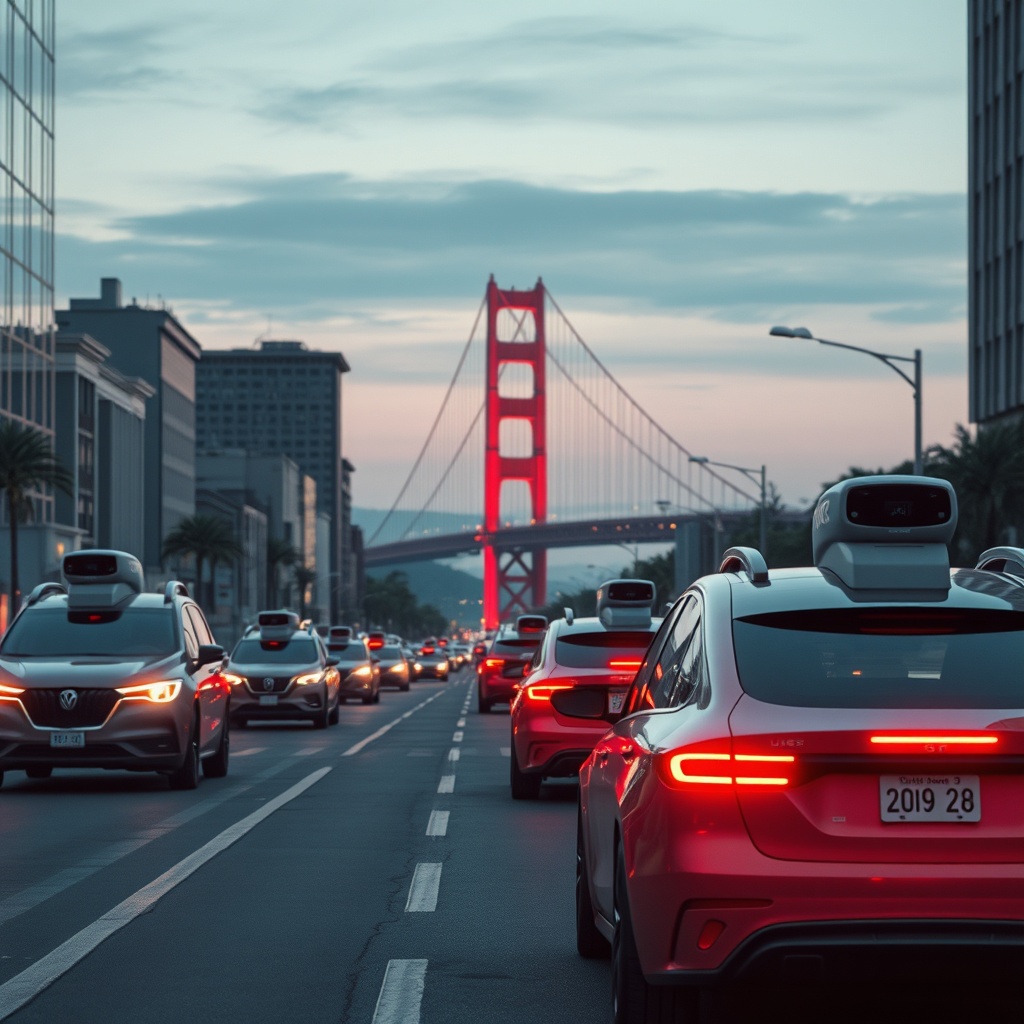
📢 안녕하세요, 23년 차 IT 기획 팀장, 전문 테크 리포터 상훈입니다! 이번 CES 2026 현장에서 가장 뜨거웠던 키워드 중 하나는 바로 'Mobility Everywhere', 즉 모든 곳으로 확장되는 이동성이었습니다. 단순한 이동 수단이 아니라 우리의 삶과 도시를 혁신하는 미래 모빌리티가 눈앞에 펼쳐지고 있죠. 그 중심에는 바로 로보택시의 일상화가 있습니다. 특히 샌프란시스코에서 우버와 그래비티가 대규모 로보택시 배치를 시작했다는 소식은 많은 이들에게 충격을 주었는데요, 과연 무인 택시를 호출하는 일상이 우리에게 어떤 변화를 가져올지, 지금부터 저와 함께 깊이 파고들어 보겠습니다! 🚀
1. 로보택시, 일상의 문턱을 넘다: 개념 소개 💡
로보택시는 운전자 없이 스스로 주행하는 자율주행 택시를 의미합니다. 단순히 특정 구간을 오가는 수준을 넘어, 자율주행 레벨 4 이상의 기술을 통해 복잡한 도심 환경에서 승객을 태우고 내릴 수 있는 완전한 무인 서비스를 지향합니다. '일상화'라는 키워드가 중요한 이유는, 이 기술이 더 이상 전시회의 데모 수준을 넘어 실제 사람들이 생활 속에서 필요로 할 때 언제든 호출하고 이용할 수 있는 단계에 이르렀다는 의미이기 때문입니다.
샌프란시스코에서 우버와 그래비티가 선보인 대규모 로보택시 배치는 바로 이 '일상화'의 거대한 신호탄이라 할 수 있습니다. 특정 기업의 실험 단계를 넘어, 글로벌 모빌리티 플랫폼과 손잡고 실제 상업 서비스 영역으로 진입했다는 점에서 기존 자율주행 기술의 도입 양상과는 확연히 다른 지점을 보여주고 있습니다. 이는 비즈니스 모델의 혁신과 함께 우리 도시의 교통 시스템에 근본적인 변화를 예고하는 사건입니다.
2. CES 2026이 예견한 현실: 우버-그래비티의 대규모 배치 🛣️
CES 2026 현장에서 제가 직접 목격한 것은 단순히 화려한 콘셉트카가 아니었습니다. 주요 자동차 제조사들과 빅테크 기업들은 'Mobility Everywhere'라는 테마 아래 로보택시와 같은 자율주행 서비스의 상용화가 코앞에 다가왔음을 다양한 시뮬레이션과 파트너십 발표를 통해 역설했습니다. 우버와 그래비티의 샌프란시스코 대규모 배치 소식은 CES에서 제시된 미래 비전이 현실이 되었음을 보여주는 가장 극적인 사례였습니다.
특히 이 사례는 단순히 자율주행차량을 운영하는 것을 넘어, 기존의 승차 공유 플랫폼과 자율주행 기술이 어떻게 시너지를 내는지를 명확하게 보여주었습니다. 그래비티는 고급 센서 기술과 정교한 AI 기반의 주행 알고리즘으로 무장한 자율주행 차량을 제공하고, 우버는 전 세계 수억 명의 사용자를 확보한 강력한 호출 플랫폼을 통해 접근성을 극대화한 것이죠. CES 2026에서도 이러한 '서비스 통합'의 중요성이 여러 차례 강조되었습니다.
3. 글로벌 무인 모빌리티, 최신 트렌드를 읽다 🗺️
샌프란시스코는 로보택시의 상용화 물꼬를 튼 중요한 도시지만, 사실 전 세계적으로 무인 모빌리티 경쟁은 이미 치열하게 전개되고 있습니다. 미국의 피닉스, 라스베이거스에서는 구글의 웨이모(Waymo)가, 중국에서는 바이두(Baidu)의 아폴로 고(Apollo Go)가 활발하게 서비스를 운영 중입니다. 이들은 단순히 도시 내 특정 구역을 넘어 서비스 지역을 점진적으로 확대하며 운영 안정성과 기술 신뢰도를 높이고 있습니다.
최근 트렌드는 규제 완화와 정부의 적극적인 지원입니다. 애리조나주와 캘리포니아주는 물론, UAE, 싱가포르 등 여러 국가와 도시들이 자율주행 기술 도입에 긍정적인 입장을 취하며 관련 법규를 정비하고 있습니다. 또한, 여객 운송을 넘어 무인 배송, 물류, 심지어는 이동식 상점(Robo-Store)과 같은 새로운 서비스 모델로의 확장 가능성도 활발히 논의되고 있습니다. 단순한 교통수단을 넘어 MaaS(Mobility-as-a-Service) 플랫폼의 핵심 축으로 자리매김하고 있는 것이죠.
4. 우리 비즈니스와 삶에 미칠 영향: 의미와 시사점 📊
로보택시의 일상화는 단순히 택시를 무인으로 바꾸는 것을 넘어, 우리 사회의 다양한 분야에 거대한 파급효과를 가져올 것입니다. 제가 예측하는 주요 변화는 다음과 같습니다.
| 구분 | 예상 변화 및 시사점 |
|---|---|
| 교통 생태계 | 개인 차량 소유 감소, 대중교통과의 연계 강화, 주차 공간 활용성 증대, 교통 체증 완화 (효율적인 운행 관리). |
| 경제/산업 | 운전 인건비 절감으로 인한 서비스 단가 인하 가능성, 새로운 MaaS 플랫폼 비즈니스 모델 창출, 자동차 산업 패러다임 전환 (소유 → 공유, 서비스 중심). |
| 사회/환경 | 교통사고 감소 및 안전성 향상, 이동 약자(노약자, 장애인)의 이동권 증진, 친환경 모빌리티 확산 가속화, 도시 공간의 재설계 가능성. |
물론 장밋빛 미래만 있는 것은 아닙니다. 로보택시의 광범위한 도입은 법적, 윤리적 문제(사고 책임 소재), 해킹 및 보안 위협, 운수업 종사자들의 대규모 실업 문제, 그리고 아직 완벽하지 않은 기술에 대한 대중의 신뢰 확보 등 다양한 과제를 안고 있습니다. 이러한 문제들에 대한 사회적 합의와 기술적 보완이 반드시 병행되어야 할 것입니다.
5. 업무에 바로 적용하는 로보택시 인사이트: 활용 팁 ✅
로보택시의 등장은 특정 산업군에만 국한된 변화가 아닙니다. IT 기획자로서 제가 강조하고 싶은 것은, 이 기술이 가져올 패러다임 변화를 읽고 우리 업무와 비즈니스에 어떻게 선제적으로 적용할지 고민해야 한다는 점입니다. 다음 팁들을 참고해 보세요!
- 물류 및 운송 기업: 자율주행 기술 도입 로드맵을 수립하고, 기존 운송 방식과 로보택시/로보셔틀의 효율성을 비교 분석하여 최적의 물류 시스템을 구축하세요. 도심 마지막 마일(Last Mile) 배송에 로보택시를 활용하는 방안을 모색할 수 있습니다.
- 도시 계획 및 부동산 개발: 미래 도시 설계 시 주차 공간 최소화, 로보택시 전용 도로/정류장 인프라 구축을 고려하세요. 스마트시티 계획에 자율주행 모빌리티를 핵심 요소로 포함시켜야 합니다.
- 보험 및 금융 서비스: 자율주행 사고 발생 시 책임 소재, 새로운 형태의 차량 소유 및 이용에 따른 보험 상품 개발, 로보택시 관련 스타트업 투자 기회를 발굴하세요.
- IT 및 소프트웨어 개발: 자율주행 차량의 운영 시스템, MaaS 플랫폼, 차량 내 인포테인먼트 시스템, 보안 솔루션 등 로보택시 생태계 전반의 기술 및 서비스를 개발하고 고도화하는 데 집중해야 합니다.
- 리테일 및 서비스업: 로보택시를 활용한 이동형 상점(Robo-Store), 방문형 서비스(예: 이동식 미용실, 카페) 등 새로운 고객 접점 및 서비스 모델을 기획할 수 있습니다.
여러분, 샌프란시스코에서 시작된 로보택시의 대규모 배치는 단순한 기술적 진보를 넘어, 우리의 도시와 생활 방식, 그리고 비즈니스 모델에 혁명적인 변화를 가져올 서막에 불과합니다. 이번 CES 2026에서 'Mobility Everywhere'가 선언된 것처럼, 이제는 그 변화를 주도하고 활용하는 자가 미래를 선점할 수 있습니다. 오늘 제가 분석한 인사이트가 여러분의 업무와 비즈니스 전략 수립에 실질적인 도움이 되기를 바랍니다. 다음 CES 리포트에서는 'Digital Health Everyday' 테마 아래, 일상 속 디지털 헬스케어의 혁신을 다루겠습니다! 🎡
Robo-Taxi Normalization: The Autonomous Revolution Reshaping Our Lives
📢 Hello everyone, this is Sanghun, a 23-year IT planning team leader and professional tech reporter! One of the hottest keywords at CES 2026 was 'Mobility Everywhere', meaning mobility expanding to all places. It's not just about simple means of transportation but a future mobility that innovates our lives and cities, unfolding right before our eyes. At its core is the normalization of robo-taxis. The news of Uber and Gravity's large-scale robo-taxi deployment in San Francisco, in particular, came as a shock to many. Let's delve deep into what changes the daily routine of hailing a driverless taxi will bring us, starting now! 🚀
1. Robo-Taxis Crossing the Threshold of Daily Life: Concept Introduction 💡
A robo-taxi refers to an autonomous driving taxi that operates without a driver. It aims for a complete driverless service, going beyond merely traveling specific routes, by enabling passengers to be picked up and dropped off in complex urban environments through Level 4 or higher autonomous driving technology. The keyword 'normalization' is crucial because it signifies that this technology has moved beyond the demonstration level at exhibitions and has reached a stage where people can call and use it whenever needed in their daily lives.
The large-scale robo-taxi deployment by Uber and Gravity in San Francisco can be seen as a grand signal for this 'normalization'. It demonstrates a clear departure from previous patterns of autonomous driving technology adoption, moving beyond the experimental phase of specific companies to enter the realm of actual commercial services in partnership with global mobility platforms. This event heralds fundamental changes to our urban transportation systems alongside business model innovation.
2. Reality Foretold by CES 2026: Uber-Gravity's Large-Scale Deployment 🛣️
What I witnessed firsthand at CES 2026 was not just flashy concept cars. Major automotive manufacturers and big tech companies, under the theme of 'Mobility Everywhere,' emphasized through various simulations and partnership announcements that the commercialization of autonomous driving services like robo-taxis was just around the corner. The news of Uber and Gravity's large-scale deployment in San Francisco was the most dramatic example of the future vision presented at CES becoming a reality.
This case, in particular, clearly demonstrated how existing ride-sharing platforms and autonomous driving technology can create synergy, going beyond merely operating autonomous vehicles. Gravity provides autonomous vehicles equipped with advanced sensor technology and sophisticated AI-based driving algorithms, while Uber maximizes accessibility through its powerful hailing platform, which has hundreds of millions of users worldwide. The importance of such 'service integration' was emphasized multiple times at CES 2026.
3. Reading the Latest Trends in Global Unmanned Mobility 🗺️
San Francisco is a crucial city that has opened the floodgates for robo-taxi commercialization, but in fact, the global competition for unmanned mobility is already fiercely underway. In Phoenix and Las Vegas, USA, Google's Waymo is actively operating services, and in China, Baidu's Apollo Go is doing the same. These services are gradually expanding their service areas beyond specific urban zones, enhancing operational stability and technological reliability.
The recent trend is deregulation and active government support. Not only Arizona and California, but also various countries and cities such as the UAE and Singapore, are taking a positive stance on adopting autonomous driving technology and are updating relevant laws. Furthermore, the possibility of expanding beyond passenger transport to new service models like unmanned delivery, logistics, and even mobile stores (Robo-Store) is being actively discussed. They are establishing themselves as a core pillar of the MaaS (Mobility-as-a-Service) platform, going beyond simple means of transportation.
4. Impact on Our Business and Lives: Meaning and Implications 📊
The normalization of robo-taxis will bring massive ripple effects across various sectors of our society, far beyond simply making taxis driverless. The major changes I foresee are as follows:
| Category | Expected Changes & Implications |
|---|---|
| Transportation Ecosystem | Decrease in private car ownership, strengthened integration with public transport, increased utility of parking spaces, reduced traffic congestion (efficient operational management). |
| Economy/Industry | Potential reduction in service costs due to lower labor costs, creation of new MaaS platform business models, paradigm shift in the automotive industry (ownership → sharing, service-centric). |
| Society/Environment | Reduction in traffic accidents and improved safety, enhanced mobility for the vulnerable (elderly, disabled), accelerated spread of eco-friendly mobility, potential for urban space redesign. |
Of course, it's not all rosy. The widespread adoption of robo-taxis faces various challenges, including legal and ethical issues (liability in accidents), hacking and security threats, large-scale unemployment among transportation workers, and ensuring public trust in still-imperfect technology. Societal consensus and technological improvements for these issues must proceed in parallel.
5. Robo-Taxi Insights for Immediate Work Application: Tips ✅
The emergence of robo-taxis is not a change limited to specific industries. As an IT planner, what I want to emphasize is that we must understand the paradigm shift this technology brings and proactively consider how to apply it to our work and business. Refer to the following tips!
- Logistics and Transportation Companies: Establish a roadmap for autonomous driving technology adoption, compare the efficiency of existing transportation methods with robo-taxis/robo-shuttles, and build an optimal logistics system. Explore using robo-taxis for last-mile delivery in urban areas.
- Urban Planning and Real Estate Development: When designing future cities, consider minimizing parking spaces and building infrastructure for dedicated robo-taxi lanes/stops. Autonomous mobility must be included as a core element in smart city planning.
- Insurance and Financial Services: Develop insurance products for liability in autonomous accidents and new forms of vehicle ownership/use, and identify investment opportunities in robo-taxi-related startups.
- IT and Software Development: Focus on developing and refining technology and services across the entire robo-taxi ecosystem, including operating systems for autonomous vehicles, MaaS platforms, in-car infotainment systems, and security solutions.
- Retail and Service Industries: Plan new customer touchpoints and service models, such as mobile stores (Robo-Stores) or visiting services (e.g., mobile hair salons, cafes) utilizing robo-taxis.
Everyone, the large-scale deployment of robo-taxis, which began in San Francisco, is merely the prelude to revolutionary changes in our cities, lifestyles, and business models, beyond simple technological advancement. As 'Mobility Everywhere' was declared at CES 2026, those who lead and leverage this change can now seize the future. I hope the insights I've analyzed today will be of practical help in your work and business strategy formulation. In the next CES report, we will cover innovations in everyday digital healthcare under the theme 'Digital Health Everyday'! 🎡
댓글
댓글 쓰기