[Robotics 15. 로봇 혁명의 숨겨진 엔진, 엣지 컴퓨팅: 지연 시간 없는 실시간 반응의 비밀 (The Hidden Engine of Robot Revolution, Edge Computing: The Secret to Zero-Latency Real-Time Reaction)
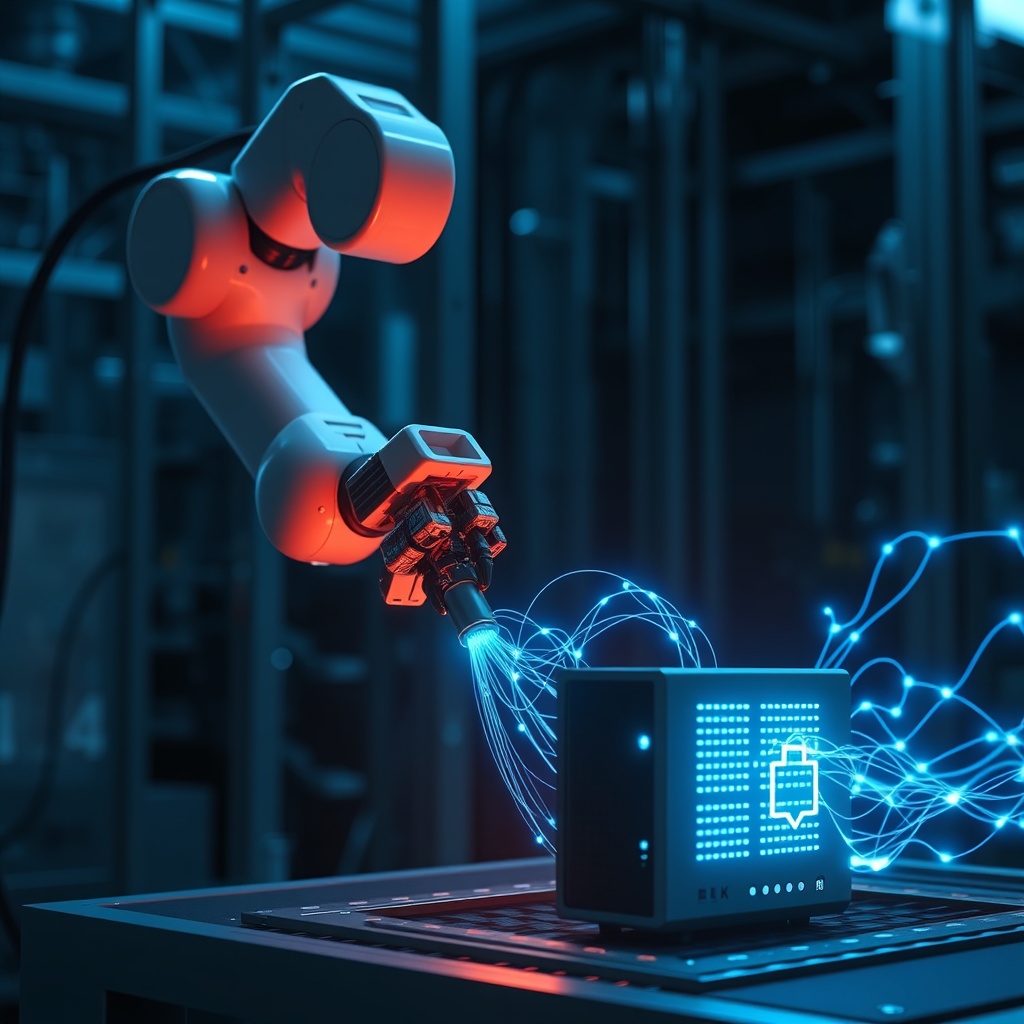
로봇 혁명의 숨겨진 엔진, 엣지 컴퓨팅: 지연 시간 없는 실시간 반응의 비밀
23년 차 IT 기획 팀장으로서, 저는 최근 로보틱스 현장에서 새로운 요구사항을 감지합니다. 바로 '속도'와 '민첩성'입니다. 과거 로봇은 중앙 서버나 클라우드에 의존했지만, 자율주행 로봇(AMR)이 등장하면서 찰나의 순간에 결정을 내려야 하는 상황이 늘었습니다. 🤖 클라우드 왕복 시간(Latency) 0.5초는 제조 현장에선 치명적이며, 심지어 안전 문제로 직결될 수 있습니다. 오늘 우리는 로봇의 지연 시간을 제로에 가깝게 만드는 엣지 컴퓨팅 (Edge Computing)의 비밀과 이것이 현장의 운용 민주화를 어떻게 가속화하는지 심층적으로 파헤쳐 봅니다. 🚀
1단계. 개념 소개: 엣지 컴퓨팅, 왜 로봇에게 필수적인가? 🧠
엣지 컴퓨팅은 데이터를 생성하는 근원지, 즉 로봇 센서나 현장 장치 가까이에서 데이터 처리와 연산을 수행하는 기술을 말합니다. 전통적인 클라우드 기반 시스템에서는 로봇이 수집한 모든 데이터를 중앙 서버로 전송하고, 분석된 명령을 다시 현장으로 받아와야 했습니다. 이 과정에서 필연적으로 발생하는 지연 시간(Latency)은 정밀한 로봇 작업, 특히 고속 제조나 위험 회피 상황에서 치명적인 약점입니다.
엣지 컴퓨팅은 로봇 자체 혹은 현장 내 소형 서버(Edge Server)에 AI 모델과 컴퓨팅 파워를 내장합니다. 예를 들어, 협동 로봇(Cobot)이 사람과의 충돌 위험을 감지했을 때, 이 정보는 클라우드로 전송되어 분석되는 0.5초가 아니라, 로봇 내의 엣지 칩에서 즉각적으로 연산되어 0.01초 내에 정지 명령을 내릴 수 있게 됩니다. 이것이 바로 로봇 실시간 동역학(Real-time Kinematics)의 핵심입니다.
2단계. 현장 사례: 제조 및 물류 현장의 '지연 없는' 혁신 🏭
제가 현장에서 확인한 바, 엣지 컴퓨팅은 특히 비정형 환경에서 로봇의 성능을 극대화합니다. 국내외 주요 제조 기업들이 어떻게 엣지 기술을 활용하는지 사례를 통해 살펴보겠습니다.
로봇 현장 적용 비교 (클라우드 vs. 엣지)
| 구분 | 클라우드 기반 | 엣지 컴퓨팅 기반 |
|---|---|---|
| AI 비전 검사 (제조) | 고용량 이미지 데이터 전송 및 처리 지연 발생. 불량품 실시간 판별 어려움. | 현장 고성능 엣지 서버에서 즉시 AI 추론. 1ms 단위로 제품 품질 검사 및 불량 선별 가능. |
| AMR 경로 최적화 (물류) | 클라우드 중앙 관제 시스템 의존. 통신 장애 시 로봇 정지, 긴급 상황 대처 느림. | 로봇 간 P2P 통신 및 로컬 맵핑(SLAM) 연산. 수백 대 로봇의 충돌 방지 및 실시간 재경로 설정. |
글로벌 사례: 테슬라(Tesla)의 기가팩토리나 폭스바겐(VW)의 일부 공장에서는 로봇의 비전 시스템이 수집하는 초당 수백 메가바이트의 데이터를 클라우드로 보내지 않습니다. 대신, 로봇의 팔 근처에 설치된 고성능 엔비디아 젯슨(Jetson) 모듈 같은 엣지 장치가 즉시 불량 여부를 판단하고 동작을 수정합니다. 이는 생산 라인의 속도를 획기적으로 높이는 핵심 동력입니다.
3단계. 최신 트렌드: AI 온 더 엣지 (AI on the Edge)의 가속화 📈
최근 엣지 컴퓨팅 트렌드는 단순히 연산을 현장으로 옮기는 것을 넘어, AI 모델 자체를 경량화하고 효율화하여 로봇에 직접 탑재하는 방향으로 진화하고 있습니다.
분산형 AI와 로봇 운용 민주화
- NPU 및 경량 칩셋의 발전: 인텔, 엔비디아뿐만 아니라 퀄컴 등 주요 반도체 회사들은 로봇이나 드론에 최적화된 저전력, 고효율 NPU(Neural Processing Unit)를 출시하며 엣지 AI의 대중화를 이끌고 있습니다. 이로 인해 중소기업들도 고가 클라우드 의존 없이 자체적인 AI 로봇 솔루션을 구축할 수 있게 되었습니다.
- 연합 학습(Federated Learning): 여러 현장 로봇이 데이터를 클라우드로 보내지 않고 로컬에서 학습한 후, 그 결과(가중치)만 중앙으로 공유하여 모델을 업데이트합니다. 이는 데이터 보안을 강화하고 동시에 로봇들의 집단 지성을 향상시키는 핵심 방법론입니다.
4단계. 비즈니스 인사이트: 엣지 로봇이 가져올 전략적 가치 💰
IT 기획 팀장의 시각에서, 엣지 컴퓨팅은 단순한 기술 개선이 아닌, 운영 모델의 근본적인 변화를 의미합니다.
엣지 컴퓨팅 도입 초기 비용은 높을 수 있지만, 장기적으로는 클라우드 데이터 전송 및 처리 비용을 획기적으로 절감합니다. 특히 고해상도 비전 시스템을 사용하는 경우, 데이터 전송 비용(Ingress/Egress) 절감만으로도 빠른 ROI를 달성할 수 있습니다. 운영 비용(OpEx) 최적화의 핵심입니다.
- 안전 및 규정 준수 강화: 로봇의 실시간 반응성은 곧 안전 마진 확보로 이어집니다. 협동 로봇이 사람과 더욱 안전하고 예측 가능한 방식으로 상호작용하게 되어, 산업 안전 규정 준수가 용이해집니다.
- 현장 운용의 자율성 증대 (민주화): 클라우드 의존도가 낮아지면서, 인터넷 연결이 불안정한 환경(예: 지하 창고, 원거리 건설 현장)에서도 로봇이 독립적으로 작업을 수행할 수 있습니다. 이는 로봇 솔루션의 적용 범위를 대폭 확장시킵니다.
5단계. 실무 적용 가이드: 우리 회사에 맞는 엣지 전략 수립 🛠️
엣지 로봇 시스템 도입을 고민하는 실무자들을 위해, 제가 추천하는 전략적 접근법을 공유합니다.
엣지 환경에서는 데이터가 분산 저장되므로, 중앙 시스템이 모든 엣지 노드의 상태와 데이터를 일관성 있게 모니터링하고 관리할 수 있는 강력한 데이터 거버넌스(Governance) 및 보안 프로토콜 구축이 필수입니다. 엣지 장치의 해킹이나 무단 접근 방지에 특히 신경 써야 합니다.
- Step 1: 지연 허용치(Latency Tolerance) 정의: 모든 로봇 연산이 엣지에서 이루어질 필요는 없습니다. 비즈니스 크리티컬한 작업(예: 충돌 회피, 긴급 정지, 고속 품질 검사)에 필요한 최소 지연 시간(예: 5ms 이하)을 정의하고, 이에 맞춰 엣지 컴퓨팅의 범위를 한정해야 합니다.
- Step 2: 하이브리드 아키텍처 구축: 대규모 모델 학습이나 장기 데이터 분석은 클라우드를 사용하고, 실시간 추론(Inference)은 엣지에서 수행하는 하이브리드 구조를 채택하는 것이 가장 효율적입니다.
- Step 3: 표준 플랫폼 활용: 자체 솔루션 구축 대신, ROS(Robot Operating System) 2, Docker, Kubernetes(K8s)와 같은 표준화된 컨테이너 환경을 활용하여 엣지 애플리케이션의 배포와 관리를 용이하게 해야 합니다.
이제 로보틱스는 '선택'이 아닌 '생존'의 문제가 되었고, 그 생존의 속도는 엣지 컴퓨팅에 달려 있습니다. 오늘 배운 실시간 반응의 비밀을 바탕으로 여러분의 현장을 다시 한번 바라보는 계기가 되기를 바랍니다. 다음 리포트에서는 로봇과 인간의 상호작용 설계(HRI)에 대한 인사이트를 공유하겠습니다! 😊
The Hidden Engine of Robot Revolution, Edge Computing: The Secret to Zero-Latency Real-Time Reaction
As an IT planning team leader with 23 years of experience, I’ve recently observed a new demand emerging in robotics fields: 'speed' and 'agility.' While robots traditionally relied on central servers or the cloud, the rise of Autonomous Mobile Robots (AMRs) necessitates split-second decision-making. 🤖 A 0.5-second round trip latency to the cloud is catastrophic in a manufacturing setting and can directly lead to safety hazards. Today, we delve into the secret of Edge Computing, a technology that drives robot latency close to zero and accelerates the democratization of field operations. 🚀
Phase 1. Concept: Why is Edge Computing Essential for Robotics? 🧠
Edge computing refers to the technology of performing data processing and computation near the source of data generation—the robot sensors or on-site devices. In traditional cloud-based systems, all data collected by the robot had to be sent to a central server, analyzed, and then the command sent back to the field. The inevitable Latency generated during this process is a critical weakness for precise robot tasks, especially in high-speed manufacturing or collision avoidance scenarios.
Edge computing embeds AI models and computing power either directly within the robot or in a small on-site server (Edge Server). For instance, when a collaborative robot (Cobot) detects a risk of collision with a human, the stop command can be computed instantly by the edge chip on the robot in 0.01 seconds, rather than waiting 0.5 seconds for the cloud analysis. This is the core of robot Real-time Kinematics.
Phase 2. Field Cases: Zero-Latency Innovation in Manufacturing and Logistics 🏭
Based on my observations in the field, edge computing maximizes robot performance, particularly in unstructured environments. Let's look at examples of how major global manufacturing companies utilize edge technology.
Robot Field Application Comparison (Cloud vs. Edge)
| Category | Cloud-Based | Edge Computing Based |
|---|---|---|
| AI Vision Inspection (Mfg) | Latency in transferring and processing high-volume image data. Difficulty in real-time defect identification. | Instant AI inference on high-performance on-site edge servers. Capable of checking quality and sorting defects in milliseconds. |
| AMR Path Optimization (Logistics) | Reliance on central cloud control. Robots stop during communication failures; slow emergency response. | P2P communication between robots and local SLAM computation. Real-time re-routing and collision avoidance for hundreds of robots. |
Global Example: In Tesla's Gigafactories or certain VW plants, the hundreds of megabytes of data collected per second by robot vision systems are not sent to the cloud. Instead, edge devices like high-performance NVIDIA Jetson modules installed near the robot arm instantly judge defects and modify movements. This is the core driver significantly increasing production line speed.
Phase 3. Latest Trends: Accelerating AI on the Edge 📈
The latest trend in edge computing is evolving beyond simply moving computation to the field; it involves lightweighting and optimizing AI models themselves for direct installation on robots.
Distributed AI and Operational Democratization
- Advancements in NPU and Lightweight Chipsets: Major semiconductor companies like Intel, NVIDIA, and Qualcomm are releasing low-power, high-efficiency NPU (Neural Processing Unit) chips optimized for robots and drones, leading the popularization of edge AI. This allows even SMEs to build their own AI robot solutions without relying on expensive cloud services.
- Federated Learning: Multiple field robots learn locally without sending raw data to the cloud, and only the results (weights) are shared centrally to update the model. This is a key methodology that enhances data security while improving the collective intelligence of the robots.
Phase 4. Business Insights: Strategic Value Delivered by Edge Robots 💰
From the perspective of an IT planning team leader, edge computing is not just a technical improvement; it represents a fundamental shift in the operating model.
While the initial cost of adopting edge computing can be high, it drastically reduces long-term cloud data transmission and processing fees. Especially when using high-resolution vision systems, fast ROI can be achieved solely through saving data transfer costs (Ingress/Egress). This is crucial for optimizing Operational Expenditure (OpEx).
- Enhanced Safety and Compliance: The real-time responsiveness of robots ensures safety margins. Collaborative robots interact with humans in a safer and more predictable manner, simplifying compliance with industrial safety regulations.
- Increased Field Operational Autonomy (Democratization): Reduced reliance on the cloud allows robots to perform tasks independently even in environments with unstable internet connectivity (e.g., underground warehouses, remote construction sites). This significantly expands the scope of robot solutions.
Phase 5. Practical Application Guide: Establishing the Right Edge Strategy for Your Company 🛠️
For practitioners considering the introduction of edge robot systems, I share my recommended strategic approach.
Since data is stored decentrally in edge environments, it is essential to establish strong Data Governance and Security Protocols that allow the central system to consistently monitor and manage the status and data of all edge nodes. Particular attention must be paid to preventing hacking or unauthorized access to edge devices.
- Step 1: Define Latency Tolerance: Not all robot computations need to happen at the edge. Define the minimum latency required for business-critical tasks (e.g., collision avoidance, emergency stop, high-speed quality checks, e.g., below 5ms) and restrict the scope of edge computing accordingly.
- Step 2: Build a Hybrid Architecture: It is most efficient to adopt a hybrid structure where large-scale model training and long-term data analysis use the cloud, while real-time inference is performed at the edge.
- Step 3: Utilize Standard Platforms: Instead of building proprietary solutions, leverage standardized container environments like ROS (Robot Operating System) 2, Docker, and Kubernetes (K8s) to facilitate the deployment and management of edge applications.
Robotics has moved from being an 'option' to a matter of 'survival,' and the speed of that survival hinges on edge computing. I hope this discussion on the secret of real-time reaction serves as an opportunity to re-examine your own operational landscape. Look forward to the next report where I will share insights on Human-Robot Interaction (HRI) design! 😊
댓글
댓글 쓰기