[Robotics 25. 로봇 디자인의 심리학: 불쾌한 골짜기를 넘어 협업의 파트너로 (The Psychology of Robot Design: Beyond the Uncanny Valley to Collaborative Partnership)
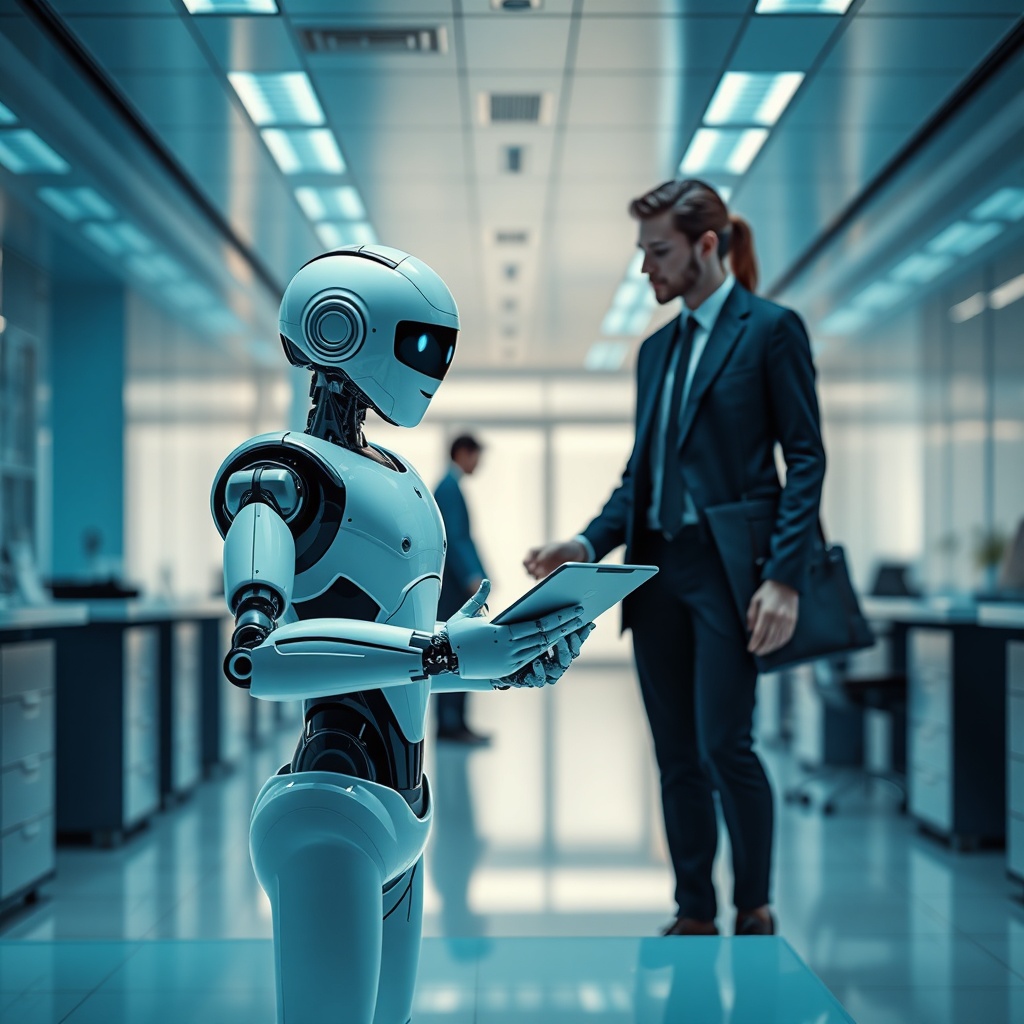
안녕하세요, 23년 차 IT 기획 팀장이자 테크 리포터입니다. 🤖 최근 산업 현장뿐만 아니라 우리 일상 곳곳에 로봇이 스며들고 있습니다. 하지만 기획자로서 제가 현장에서 목격하는 흥미로운 사실 중 하나는, 성능이 아무리 뛰어나도 현장 작업자들이 로봇을 '불편하게' 느끼면 그 도입은 실패로 돌아간다는 점입니다. 과연 로봇은 우리에게 어떤 모습으로 다가와야 동료로서 인정받을 수 있을까요? 오늘은 로봇 디자인 이면에 숨겨진 심리학과 비즈니스 인사이트를 파헤쳐 보겠습니다. 📈
1. 로봇 디자인의 심리적 장벽: 불쾌한 골짜기(Uncanny Valley) 🧠
로봇 디자인을 논할 때 결코 빠질 수 없는 개념이 바로 '불쾌한 골짜기'입니다. 로봇이 인간과 어설프게 닮을수록 호감도가 급격히 떨어지며 혐오감을 유발하는 현상을 말하죠. 기획자의 관점에서 이는 단순한 심리 현상이 아니라, '사용자 수용성(User Acceptance)'에 대한 중대한 리스크입니다.
산업용 로봇은 인간을 아예 닮지 않거나, 아니면 확실하게 로봇다운 디자인을 채택할 때 오히려 작업자의 심리적 저항이 적습니다. '인간을 돕는 기계'라는 본연의 정체성이 명확할 때 신뢰가 형성되기 때문입니다.
2. 국내외 제조업 및 서비스 현장의 디자인 적용 사례 🏭
로봇 디자인의 성패는 현장 적용 사례에서 극명하게 갈립니다. 글로벌 기업과 국내 선도 기업들은 로봇의 외형을 어떻게 정의하고 있을까요?
| 기업/로봇 | 디자인 특징 및 심리학적 전략 |
|---|---|
| 테슬라 '옵티머스' | 완벽한 휴머노이드 형태를 지향하나, 얼굴에 디스플레이를 배제하고 매끄러운 헬멧 형태를 취해 불쾌한 골짜기를 회피함. |
| 우아한형제들 '딜리' | 둥근 곡선과 귀여운 눈 모양의 디스플레이를 활용. 공공장소에서 보행자의 거부감을 최소화하는 '친화형' 전략. |
| 보스턴 다이내믹스 '스팟' | 4족 보행의 동물 형태를 띠어 직관적인 이동성을 강조. 머리가 없는 디자인으로 과도한 의인화를 경계함. |
3. 최신 트렌드: 의인화(Anthropomorphism)의 전략적 조절 🚀
최근의 로봇 디자인 트렌드는 무조건 인간을 닮는 것이 아니라, '필요한 만큼의 감정적 교감'만을 목표로 합니다. 이를 '비언어적 인터랙션 디자인'이라고 부르기도 하죠.
- 미니멀한 얼굴 디자인: 표정을 복잡하게 묘사하기보다 눈의 기울기나 LED 색상만으로 감정 상태를 전달합니다.
- 부드러운 움직임(Organic Motion): 기계적인 움직임 대신 생명체의 움직임을 모방한 곡선형 경로를 통해 예측 가능성을 높이고 공포감을 줄입니다.
- 소재의 변화: 금속성의 차가움 대신 패브릭이나 부드러운 플라스틱 소재를 사용하여 물리적, 심리적 접촉의 거부감을 완화합니다.
지나친 의인화는 사용자로 하여금 로봇에 대해 불필요하게 높은 기대를 갖게 만듭니다. 로봇이 사람처럼 생겼는데 실제 기능이 따라주지 못할 때, 사용자는 더 큰 실망과 분노를 느낀다는 점을 유의해야 합니다.
4. 비즈니스적 의미: 디자인은 곧 '신뢰'이자 '자산'이다 💎
기업이 로봇의 외형 디자인에 수십억 원을 투자하는 이유는 명확합니다. 잘 디자인된 로봇은 '협업 생산성'을 높이기 때문입니다. 작업자가 로봇을 신뢰하고 그 움직임을 예측할 수 있을 때, 안전사고는 줄어들고 업무 속도는 빨라집니다.
또한, 로봇의 디자인은 곧 브랜드의 정체성이 됩니다. 스타벅스의 로고가 브랜드 경험의 시작이듯, 매장에서 서빙하는 로봇의 표정 하나가 고객이 느끼는 서비스 만족도를 결정짓는 시대가 되었습니다.
5. 업무 활용 팁: 로봇 도입 프로젝트를 위한 디자인 가이드라인 📝
현업에서 로봇 도입을 기획하고 있다면 다음의 원칙을 고려해 보세요.
1. 목적성 우선: 서비스직이라면 '친근함'을, 생산직이라면 '안전성과 정확성'을 강조하는 외형을 선택하세요.
2. 피드백 인터랙션 설계: 로봇이 현재 작업을 수행 중인지, 오류가 났는지 LED나 사운드를 통해 직관적으로 알 수 있게 디자인하세요.
3. 사회적 거리 유지: 로봇이 인간의 개인적인 공간(Personal Space)을 침범하지 않도록 기동 반경과 가속도를 설계 단계에서 조정해야 합니다.
로보틱스는 이제 기계 공학의 영역을 넘어 인지 심리학과 사용자 경험(UX)의 영역으로 확장되고 있습니다. 우리 곁으로 다가온 로봇이 '무서운 기계'가 아닌 '믿음직한 동료'가 될 수 있도록, 여러분의 현장에서도 로봇의 외형과 인터랙션에 대해 깊이 있는 고민을 시작해 보시기 바랍니다. 오늘 리포트가 여러분의 비즈니스 인사이트에 도움이 되었기를 바랍니다. 다음 리포트도 기대해 주세요! 😊
Hello, this is your 23-year IT Planning Manager and Tech Reporter. 🤖 Recently, robots have been permeating not only industrial sites but also every corner of our daily lives. However, an interesting fact I witness in the field as a planner is that no matter how superior the performance, the implementation fails if workers feel 'uncomfortable' with the robot. How should robots approach us to be recognized as colleagues? Today, we will explore the psychology and business insights hidden behind robot design. 📈
1. Psychological Barriers: The Uncanny Valley 🧠
When discussing robot design, the concept of the 'Uncanny Valley' is indispensable. It refers to the phenomenon where affinity sharply drops and evokes repulsion when a robot clumsily resembles a human. From a planner's perspective, this is not just a psychological phenomenon but a major risk to 'User Acceptance.'
Industrial robots often face less psychological resistance from workers when they either don't resemble humans at all or adopt a clearly robotic design. Trust is formed when the core identity of being a 'machine that helps humans' is clear.
2. Field Application Cases: Global and Domestic Manufacturing 🏭
The success or failure of robot design is clearly divided in field application cases. How are global and domestic leading companies defining the appearance of their robots?
| Company/Robot | Design Features and Psychological Strategy |
|---|---|
| Tesla 'Optimus' | Aims for a perfect humanoid form but avoids the Uncanny Valley by excluding displays on the face and using a sleek helmet shape. |
| Woowa Brothers 'Dilly' | Uses rounded curves and a display with cute eye shapes. A 'friendly' strategy to minimize pedestrian resistance in public places. |
| Boston Dynamics 'Spot' | Takes a quadruped animal form to emphasize intuitive mobility. Avoids excessive anthropomorphism with a headless design. |
3. Latest Trends: Strategic Control of Anthropomorphism 🚀
Current robot design trends do not focus on resembling humans unconditionally but aim for 'emotional rapport only as much as necessary.' This is often called 'non-verbal interaction design.'
- Minimalist Face Design: Conveys emotional states through eye tilt or LED colors rather than complex facial expressions.
- Organic Motion: Increases predictability and reduces fear by mimicking biological movements through curved paths instead of mechanical motions.
- Material Changes: Uses fabric or soft plastic instead of metallic coldness to alleviate repulsion towards physical and psychological contact.
Excessive anthropomorphism leads users to have unnecessarily high expectations of the robot. Be aware that users feel greater disappointment and anger when a robot looks like a person but its actual functionality cannot keep up.
4. Business Meaning: Design is 'Trust' and 'Asset' 💎
The reason companies invest millions in robot appearance design is clear. A well-designed robot enhances 'collaborative productivity.' When workers trust the robot and can predict its movements, safety accidents decrease, and work speed increases.
Moreover, the design of a robot becomes its brand identity. Just as the Starbucks logo is the beginning of the brand experience, we are in an era where the expression of a robot serving in a store determines the service satisfaction felt by customers.
5. Practical Tips: Design Guidelines for Robot Projects 📝
If you are planning a robot introduction in the field, consider the following principles.
1. Purpose First: Choose an appearance that emphasizes 'friendliness' for service roles and 'safety and accuracy' for production roles.
2. Feedback Interaction Design: Design it so users can intuitively know through LEDs or sounds whether the robot is working or has an error.
3. Maintain Social Distance: Adjust the maneuvering radius and acceleration during the design phase so that the robot does not invade human personal space.
Robotics is now expanding beyond mechanical engineering into the realms of cognitive psychology and user experience (UX). I hope you start thinking deeply about the appearance and interaction of robots so they can become 'reliable colleagues' rather than 'scary machines.' I hope today's report was helpful for your business insights. Please look forward to the next report! 😊
댓글
댓글 쓰기