[Robotics 23. 로봇의 지속 가능성을 결정하는 열쇠: 저전력 설계와 에너지 최적화 (The Key to Robot Sustainability: Low-Power Design and Energy Optimization)
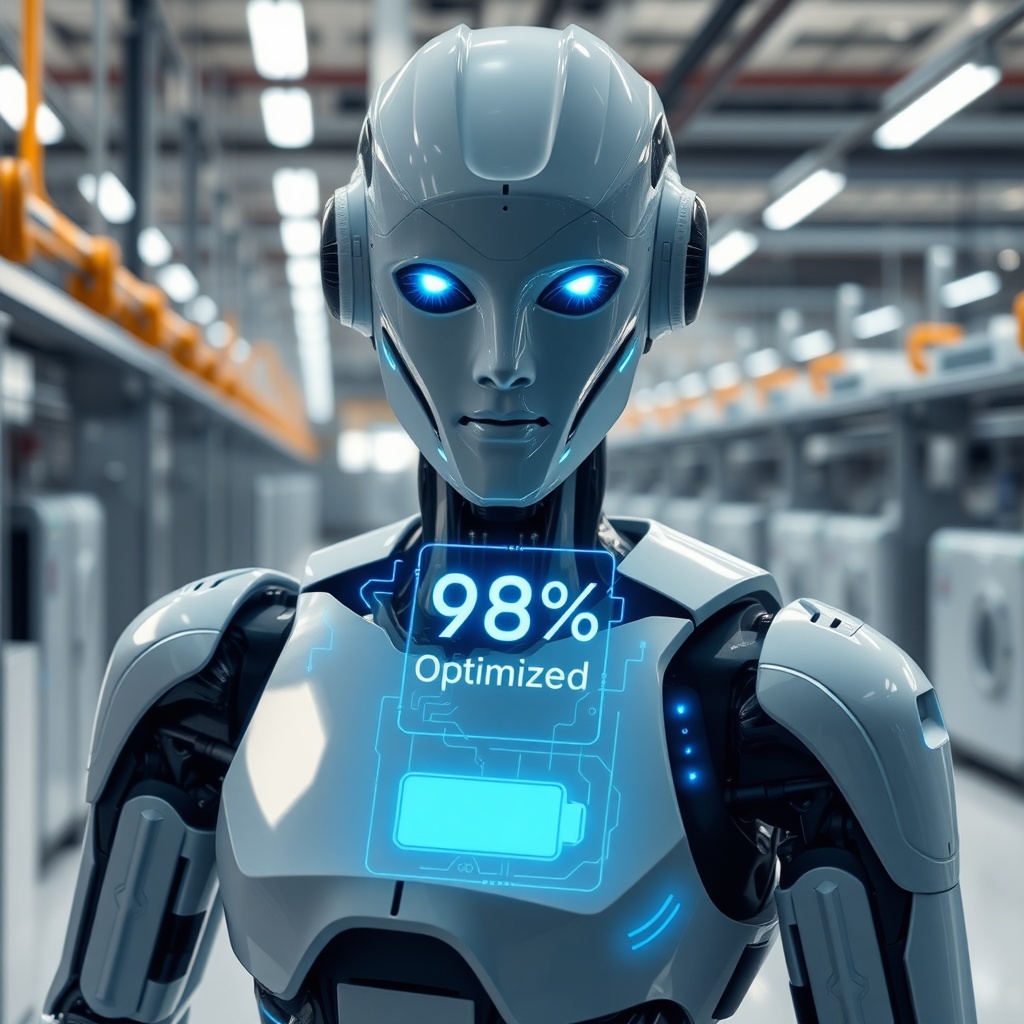
안녕하세요, 23년 차 IT 기획 팀장이자 테크 리포터입니다. 🎤 최근 많은 기업이 자동화를 위해 로봇 도입을 서두르고 있습니다. 하지만 현장에서 제가 가장 많이 듣는 고민 중 하나는 바로 "로봇이 생각보다 금방 방전된다"는 점입니다. 아무리 똑똑한 AI를 탑재했더라도, 한두 시간 가동 후 충전기로 돌아가야 한다면 생산성은 떨어질 수밖에 없죠. 🔋 이제 로보틱스는 '기능'의 단계를 넘어 '지속 가능성'의 단계로 진입하고 있습니다. 오늘은 로봇의 심장이라 할 수 있는 저전력 설계와 에너지 효율화 전략에 대해 깊이 있게 리포팅해 보겠습니다. 🤖📈
1. 에너지 효율, 왜 로봇 비즈니스의 승부처인가? ⚡
과거의 산업용 로봇은 전력선이 연결된 고정된 위치에서 작동했습니다. 하지만 현재 우리가 주목하는 서비스 로봇, 물류용 AMR(자율주행로봇), 그리고 휴머노이드는 '탈부착되지 않는 자유'를 전제로 합니다. 여기서 발생하는 전력 소모는 단순히 전기료의 문제가 아닙니다. 배터리 무게가 늘어나면 로봇의 기동성이 떨어지고, 잦은 충전은 가동률(Availability) 저하로 이어집니다. 결국 저전력 설계는 곧 로봇의 운영 수익성(ROI)과 직결되는 핵심 기술입니다.
2. 국내외 제조업 현장 적용 사례: EV 기술과의 조우 🚗
흥미롭게도 로봇의 에너지 솔루션은 전기차(EV) 산업의 성과를 그대로 흡수하고 있습니다. 고밀도 배터리 셀 기술과 정밀한 배터리 관리 시스템(BMS)이 로봇에 이식되고 있는 것이죠.
| 기업/분야 | 적용된 에너지 혁신 기술 |
|---|---|
| 테슬라(Optimus) | 전기차용 4680 배터리 셀 기술 응용 및 통합 전력 제어 모듈 사용 |
| 국내 물류 스타트업 | 회생 제동(Regenerative Braking) 시스템을 적용한 물류 로봇으로 운행 시간 20% 연장 |
| 보스턴 다이내믹스 | 유압식에서 전기식 액추에이터로 전환하여 에너지 손실 최소화 및 정밀도 향상 |
현대차그룹에 인수된 보스턴 다이내믹스의 사례를 보면, 최근 공개된 올-일렉트릭(All-Electric) 아틀라스는 기존 유압식 대비 구조가 단순해졌을 뿐만 아니라, 에너지 효율 면에서도 비약적인 발전을 이루었습니다. 이는 부품의 경량화와 직결되며 로봇이 더 긴 시간 동안 복잡한 임무를 수행할 수 있게 합니다.
3. 최신 트렌드: AI가 조절하는 '전력 다이어트' 🧠
최근 트렌드는 하드웨어 개선을 넘어 소프트웨어 기반의 '전력 최적화 알고리즘'으로 옮겨가고 있습니다.
- 동적 경로 최적화: AI가 로봇의 이동 경로를 실시간으로 계산할 때, 단순히 최단 거리가 아닌 '최소 에너지 소비' 경로를 선택합니다. 경사도나 화물 무게에 따른 전력 소모를 미리 예측하는 것이죠.
- 지능형 대기 모드: 로봇이 작업을 대기할 때 센서와 연산 장치의 전력을 계층적으로 차단하여 대기 전력을 90% 이상 절감하는 기술이 표준화되고 있습니다.
- Edge AI의 활용: 모든 데이터를 클라우드로 보내지 않고 로봇 내부(Edge)에서 처리함으로써 통신에 소모되는 전력을 아끼는 전략입니다.
4. 의미와 시사점: 로봇 운영의 '민주화'를 위하여 🚀
에너지 효율화는 단순히 기술적 성취를 넘어 '운용의 민주화'를 가속화합니다. 배터리 효율이 좋아지면 충전 인프라 구축 비용이 줄어들고, 이는 곧 중소 제조 현장에서도 큰 부담 없이 로봇을 도입할 수 있는 환경을 만듭니다. 또한, ESG 경영 관점에서도 전력 소비를 최소화한 자동화 라인은 기업의 탄소 중립 목표 달성에 긍정적인 신호를 줍니다. 23년 차 기획자의 시각에서 볼 때, 이제 로봇 구매의 기준은 '무엇을 할 수 있는가'에서 '얼마나 효율적으로 오랫동안 지속할 수 있는가'로 이동하고 있습니다.
5. 업무 활용 팁: 로봇 도입 전 필수 체크리스트 💡
로봇 도입을 검토 중인 관리자라면 다음 세 가지를 반드시 확인하세요.
1. 가동 시간 대비 충전 시간 비율(Duty Cycle): 현장 교대 근무 스케줄과 일치하는지 확인해야 합니다.
2. BMS 데이터 연동 여부: 통합 관제 시스템에서 실시간 배터리 상태와 잔여 수명을 모니터링할 수 있는지 확인하세요.
3. 환경 변수 반영 에너지 시뮬레이션: 온도, 습도, 바닥 재질에 따라 전력 소모가 크게 달라집니다. 실제 현장 조건에서의 테스트 데이터가 필수입니다.
저전력 설계만 강조하다 보면 로봇의 출력이 부족해질 수 있습니다. 화물 무게나 작업 속도가 계획보다 낮아질 위험이 있으니, 에너지 효율과 퍼포먼스 사이의 '스위트 스폿'을 찾는 것이 중요합니다.
에너지 효율은 로봇이 우리 삶 속으로 더 깊이 들어오기 위한 마지막 관문입니다. 배터리 기술의 혁신과 AI의 정밀한 제어가 만날 때, 로봇은 진정한 '동료'로서 현장을 지킬 수 있을 것입니다. 여러분의 비즈니스 현장에서도 '에너지'라는 렌즈를 통해 로보틱스의 도입 가치를 다시 한번 점검해 보시길 바랍니다. 다음 리포트에서는 로봇과 AI의 뇌, '임베디드 AI'에 대해 다뤄보겠습니다. 감사합니다! 😊
Hello, this is your 23-year IT Planning Manager and Tech Reporter. 🎤 Recently, many companies are rushing to adopt robots for automation. However, one of the most common concerns I hear in the field is, "The robot runs out of battery sooner than expected." No matter how smart the AI is, if it has to return to the charger after just an hour or two, productivity inevitably drops. 🔋 Robotics is now moving beyond the 'function' stage into the 'sustainability' stage. Today, I will report deeply on low-power design and energy efficiency strategies, the heart of robotics. 🤖📈
1. Why Energy Efficiency is the Game Changer in Robot Business ⚡
In the past, industrial robots operated at fixed locations with power lines connected. However, the service robots, logistics AMRs, and humanoids we focus on today assume 'freedom from being tethered.' Power consumption here isn't just about electricity bills. Increasing battery weight reduces mobility, and frequent charging leads to lower availability. Ultimately, low-power design is a core technology directly linked to robot operating profitability (ROI).
2. Case Studies: Encounter with EV Technology 🚗
Interestingly, robot energy solutions are absorbing the achievements of the electric vehicle (EV) industry. High-density battery cell technology and precise Battery Management Systems (BMS) are being transplanted into robots.
| Company/Field | Applied Energy Innovation Technology |
|---|---|
| Tesla (Optimus) | Application of EV 4680 battery cell tech and integrated power control modules |
| Logistics Startups | 20% extension in operating time by applying Regenerative Braking systems |
| Boston Dynamics | Transitioning from hydraulic to electric actuators to minimize energy loss |
Looking at Boston Dynamics, now part of Hyundai Motor Group, the recently unveiled All-Electric Atlas has not only simplified its structure compared to the previous hydraulic version but also made significant strides in energy efficiency. This is directly related to weight reduction, allowing robots to perform complex tasks for longer periods.
3. Latest Trends: AI-Driven 'Power Diet' 🧠
Recent trends are moving beyond hardware improvements to software-based 'Power Optimization Algorithms.'
- Dynamic Path Optimization: When AI calculates a robot's path in real-time, it chooses the 'minimum energy consumption' path rather than just the shortest distance.
- Intelligent Standby Mode: Technologies that hierarchically cut power to sensors and computing devices when a robot is waiting are becoming standardized.
- Edge AI Utilization: A strategy to save power consumed in communication by processing data inside the robot (Edge) instead of sending everything to the cloud.
4. Implications: Towards the 'Democratization' of Robot Operation 🚀
Energy efficiency accelerates the 'Democratization of Operation' beyond technical achievement. Improved battery efficiency reduces infrastructure costs, creating an environment where small and medium-sized manufacturing sites can adopt robots without burden. From an IT planning perspective, the criterion for purchasing robots is shifting from 'What can it do?' to 'How efficiently and long can it sustain?'
5. Work Tips: Essential Checklist Before Adopting Robots 💡
If you are a manager considering robot adoption, be sure to check these three things.
1. Duty Cycle: Check if it aligns with the on-site shift schedule.
2. BMS Data Integration: Ensure you can monitor real-time battery status and remaining life in an integrated control system.
3. Environmental Variable Simulation: Power consumption varies significantly with temperature and floor material. Test data under actual field conditions is essential.
Over-emphasizing low-power design may lead to insufficient robot power output. There is a risk that cargo weight or operation speed may be lower than planned, so finding the 'sweet spot' between energy efficiency and performance is key.
Energy efficiency is the final gateway for robots to enter deeper into our lives. When innovation in battery technology meets precise AI control, robots will be able to guard the field as true 'colleagues.' I hope you re-examine the value of robotics through the lens of 'energy' in your business. In the next report, we will cover 'Embedded AI,' the brain of robots and AI. Thank you! 😊
댓글
댓글 쓰기