[AI Agent] 24. 코딩을 넘어 프로젝트를 완수하는 'AI 개발자'의 시대 (Beyond Coding: The Era of 'AI Developers' Completing Projects)
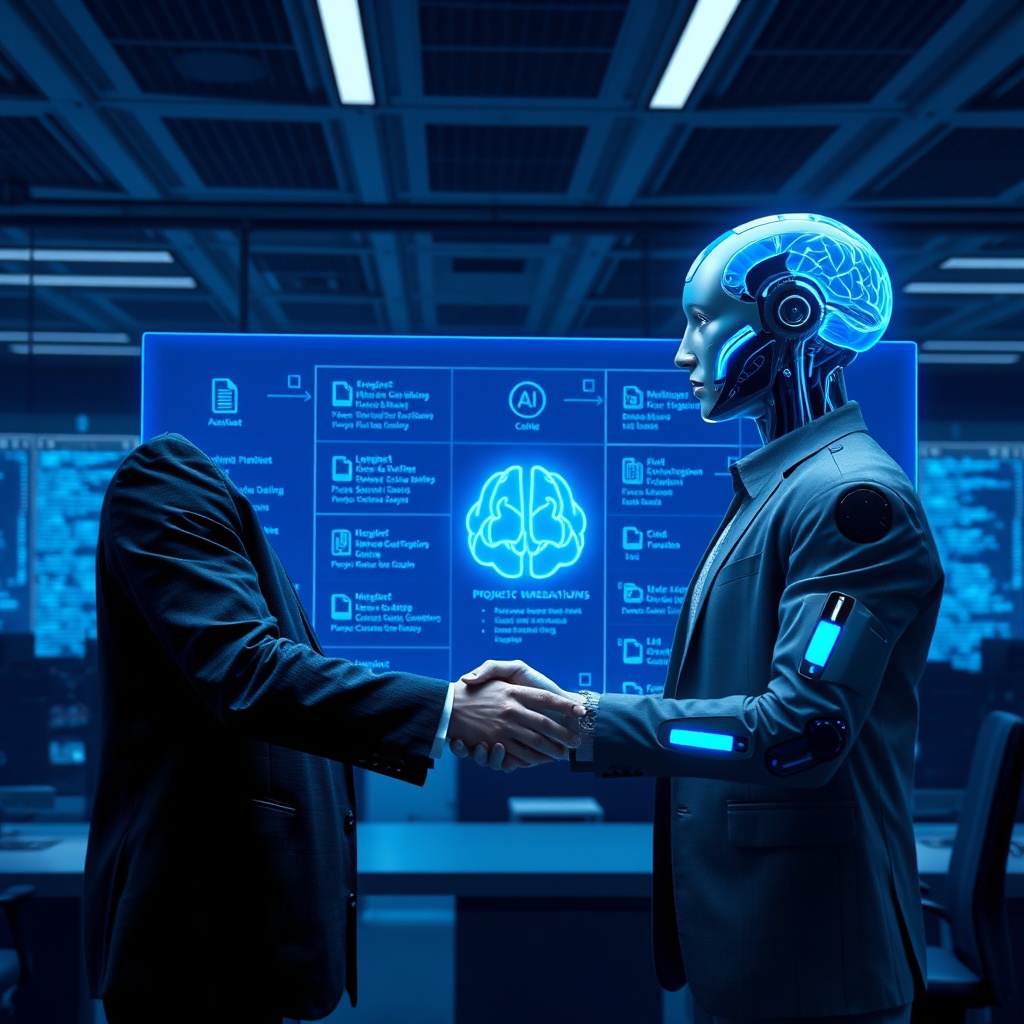
안녕하세요, IT 기획 리더이자 CTO로서 현업의 목소리를 전하는 필자입니다. 최근 많은 기업이 겪고 있는 가장 큰 고충 중 하나는 단연 '개발 리소스의 부족'일 것입니다. 기획서는 쌓여가고 요구사항은 넘쳐나는데, 정작 이를 구현하고 버그를 잡을 손은 늘 부족하죠. 🤖 엑셀 파일과 씨름하고 지친 팀원들을 보며 "누군가 이 전체 프로세스를 알아서 처리해 줄 수는 없을까?"라는 고민을 해보셨을 겁니다. 오늘 소개할 자율형 코딩 에이전트는 바로 그 막막함에 대한 혁신적 돌파구입니다. 🚀
[개념 소개] 단순 보조를 넘어선 'AI 개발자'의 탄생 ⚙️
지금까지 우리가 경험한 GitHub Copilot 같은 도구들이 '자동 완성' 기능을 가진 똑똑한 조수였다면, 최근 등장한 자율형 코딩 에이전트(Autonomous Coding Agents)는 스스로 목표를 설정하고 실행하는 '가상 동료'에 가깝습니다. 단순히 코드를 추천하는 것을 넘어, 전체 프로젝트 폴더를 읽고, 라이브러리를 설치하며, 에러 메시지를 보고 스스로 디버깅까지 수행하는 능력을 갖췄습니다.
핵심 차이점: 어시스턴트 vs 에이전트 🔍
어시스턴트는 사용자가 작성 중인 코드 라인을 완성해주지만, 에이전트는 "로그인 페이지를 만들어줘"라는 추상적인 요구사항만으로 파일 생성부터 DB 연결까지 수행합니다.
[적용 사례] Devin이 보여준 실무 적용의 실제 📊
Cognition AI가 발표한 세계 최초의 AI 소프트웨어 엔지니어 'Devin'의 사례는 충격적이었습니다. Devin은 실제 오픈소스 프로젝트의 이슈 티켓을 해결하고, 대규모 코드베이스에서 버그를 찾아 수정하는 과정을 독립적으로 완수했습니다.
| 사례 구분 | 주요 성과 |
|---|---|
| 버그 수정 | 복잡한 로그 파일을 분석하여 에러의 근본 원인을 찾고 패치를 작성함 |
| 신규 기능 구현 | 사용자의 자연어 명령에 따라 웹 애플리케이션의 신규 모듈을 직접 빌드 |
[최신 트렌드] '기획에서 배포까지' 엔드투엔드 자동화 📈
현재 이 시장은 단순히 코드 한 줄을 더 잘 쓰는 경쟁을 넘어 '워크플로우 전체의 통합'으로 나아가고 있습니다. GitHub Copilot Workspace나 OpenDevin 같은 프로젝트들은 기획 단계에서 작성된 'Issue' 내용을 기반으로 실제 개발 계획을 수립하고, 테스트 코드를 통과할 때까지 반복적으로 수정하는 '루프(Loop)' 기능을 강화하고 있습니다.
[의미와 시사점] 리더가 바라봐야 할 지점 💡
CTO로서 저는 이것을 '개발 리소스의 민주화'라고 정의합니다. 이제 개발팀은 반복적인 버그 수정이나 보일러플레이트 코드 작성에 시간을 뺏기지 않고, 서비스의 아키텍처와 비즈니스 로직에 더 집중할 수 있게 되었습니다. 이는 단순히 속도가 빨라지는 것이 아니라, 생산성의 질적 도약을 의미합니다.
AI 에이전트가 작성한 코드의 보안성과 유지보수 편의성은 여전히 사람의 검수가 필요합니다. '자동화'를 '무관심'과 혼동해서는 안 됩니다.
[업무 활용 팁] 당장 시작하는 AI 협업 가이드 🚀
- 명확한 사양서 작성: 에이전트에게 일을 시키기 전, 요구사항을 세밀하게 기술하세요. 에이전트의 성능은 프롬프트의 정교함에 비례합니다.
- 단계별 검증(Human-in-the-loop): 전체를 한 번에 맡기기보다, 기능 단위로 결과물을 검토하는 프로세스를 구축하세요.
- 기술 부채 관리: AI가 생성한 코드가 팀의 코딩 컨벤션을 따르는지 주기적으로 확인하십시오.
자주 묻는 질문(FAQ)
Q: AI 에이전트가 개발자의 일자리를 대체할까요?
A: 대체보다는 '진화'에 가깝습니다. 단순 코더는 줄어들겠지만, AI 에이전트를 조율하고 시스템 전체를 기획하는 'AI 오케스트레이터'로서의 역할이 더욱 중요해질 것입니다.
Q: 보안 문제는 없을까요?
A: 민감한 데이터 노출 방지를 위해 사내 전용 인스턴스를 구축하거나, 보안 필터링 솔루션을 병행 사용하는 전략이 필수적입니다.
AI 에이전트는 더 이상 먼 미래의 이야기가 아닙니다. 기획과 코딩의 경계가 허물어지는 지금, 이 기술을 선제적으로 도입하는 리더만이 급변하는 시장에서 우위를 점할 수 있습니다. 오늘 알아본 인사이트를 바탕으로 여러분의 프로젝트에 작은 자동화부터 시도해 보는 것은 어떨까요? 다음 포스트에서 더 깊이 있는 테크 인사이트로 찾아뵙겠습니다! 😊
Hello, this is your IT planning leader and CTO. One of the biggest challenges many companies face today is undoubtedly the 'shortage of development resources.' While planning documents pile up and requirements overflow, there are never enough hands to implement them and fix bugs. 🤖 You might have wondered, "Could someone handle this entire process autonomously?" The autonomous coding agent we're introducing today is the innovative breakthrough for that frustration. 🚀
[Concept] The Birth of 'AI Developers' Beyond Simple Assistance ⚙️
While tools like GitHub Copilot have been smart assistants with 'auto-complete' features, the recently emerged Autonomous Coding Agents are closer to 'virtual colleagues' that set goals and execute them independently. Beyond just recommending code, they have the capability to read entire project folders, install libraries, and even perform debugging by looking at error messages.
[Case Study] Devin: Real-World Application in Practice 📊
The case of 'Devin', the world's first AI software engineer announced by Cognition AI, was shocking. Devin independently completed the process of resolving issue tickets in real open-source projects and finding and fixing bugs in large codebases.
[Trends] End-to-End Automation from Planning to Deployment 📈
The market is moving beyond just writing a line of code better and toward 'integrating the entire workflow.' Projects like GitHub Copilot Workspace and OpenDevin are strengthening 'loop' functions that establish development plans based on 'Issues' written in the planning stage and repeatedly modify them until they pass test codes.
[Implications] What Leaders Should Focus On 💡
As a CTO, I define this as the 'democratization of development resources.' Development teams are no longer bogged down by repetitive bug fixes or writing boilerplate code, allowing them to focus more on service architecture and business logic. This is not just about speed; it's a qualitative leap in productivity.
[Tips] Guide to Immediate AI Collaboration 🚀
- Write Clear Specifications: Before tasking an agent, describe requirements in detail. Performance is proportional to prompt sophistication.
- Step-by-step Verification (Human-in-the-loop): Instead of delegating everything at once, build a process to review outputs by functional unit.
- Manage Technical Debt: Regularly check if AI-generated code follows your team's coding conventions.
AI agents are no longer a story of the distant future. In an era where the boundaries between planning and coding are blurring, only leaders who preemptively adopt this technology can stay ahead in the rapidly changing market. Why not start with small automations in your project based on the insights we explored today? I'll see you in the next post with deeper tech insights! 😊
댓글
댓글 쓰기